Choosing the right private preschool involves more than comparing tuition, curriculum, or location. One factor that can have a lasting impact on your child’s early education is class size.
Smaller classes often create an environment where children receive more individualized attention, participate more confidently, and build stronger relationships with their teachers.
If you’re wondering whether class size should influence your decision, the answer is yes. Smaller classrooms can positively affect children’s academic, social, and emotional development during some of the most important years of learning.
What Is Considered a Small Class Size in a Private Preschool?
State licensing standards for preschool classrooms vary, but many states permit up to 20 children in a classroom with a 1:10 teacher-to-child ratio for children between 30 months and 5 years old.
While meeting these standards ensures regulatory compliance, many educators believe that a small class size typically ranges from 8 to 15 children, allowing teachers to provide more individualized attention and meaningful interactions.
It’s also important to distinguish class size from the teacher-to-child ratio. Class size refers to the total number of children in the classroom, while the teacher-to-child ratio indicates how many children each teacher is responsible for. For example, a classroom of 20 children with two teachers meets a 1:10 ratio but may not offer the same level of personalized instruction as a classroom with 10 to 12 children.
For this reason, many private preschools intentionally keep enrollment below the licensing maximum. Smaller classes give teachers more opportunities to build relationships with each child, adapt instruction to individual learning needs, maintain a well-organized classroom, and create a more engaging learning environment.
More Individualized Attention for Every Child
Every child learns differently. Some quickly embrace new concepts, while others need additional encouragement or practice before gaining confidence. Smaller classes allow teachers to better understand each child’s personality, interests, and developmental needs.
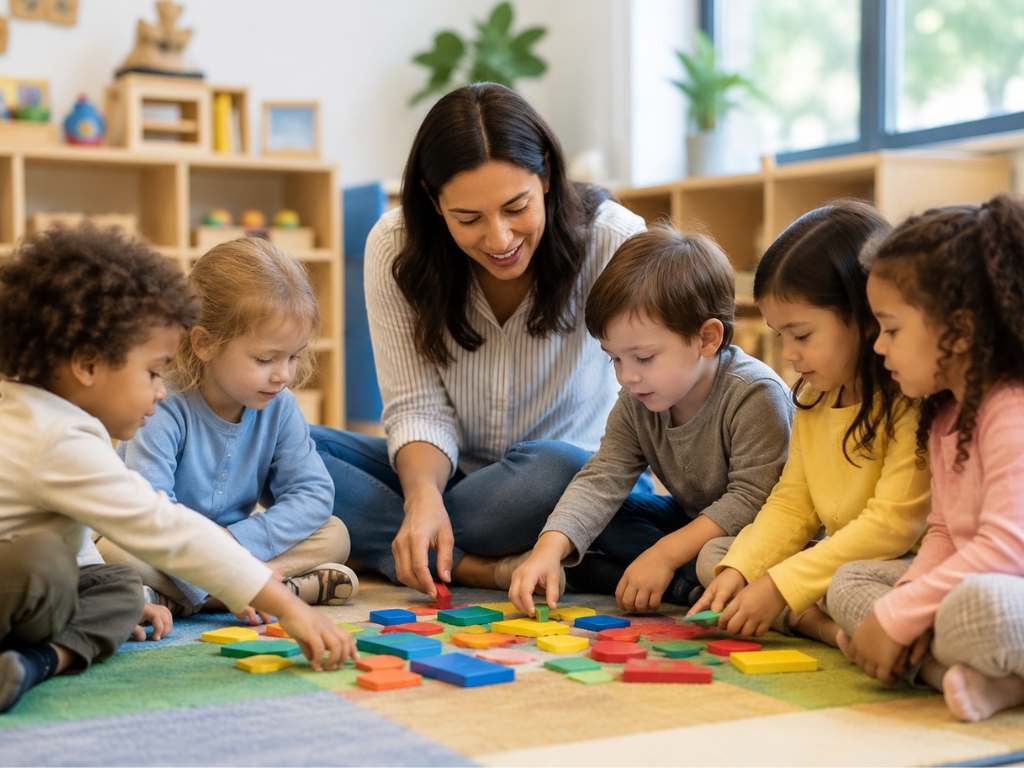
Instead of dividing their attention among a large group, teachers can spend more time observing children’s progress, answering questions, and providing personalized support. Whether a child needs help recognizing letters, improving fine motor skills, or developing communication skills, individualized guidance becomes much more achievable in a smaller classroom.
This personalized approach also helps teachers recognize potential learning or developmental concerns earlier, allowing families to address challenges before children enter kindergarten.
Better Social and Emotional Development
Academic learning is only one part of preschool. Children are also learning how to communicate, cooperate, solve problems, and manage their emotions.
Smaller classes create a calmer environment where children often feel more comfortable expressing themselves. Teachers have more opportunities to build trusting relationships with each child, making it easier to provide reassurance, encouragement, and emotional support throughout the day.
Children also have more chances to interact with classmates in meaningful ways. Instead of competing for attention, they can participate in conversations, collaborative activities, and imaginative play that strengthen social skills.
According to the National Institute for Early Education Research (NIEER), responsive interactions between teachers and young children are essential for promoting school readiness and healthy development.
Improved Classroom Engagement and Learning
A smaller classroom often creates better learning opportunities because there are fewer distractions competing for children’s attention.
Teachers can involve every child during story time, hands-on projects, music activities, and group discussions without rushing through lessons. Children are also more likely to ask questions, participate in conversations, and stay engaged because they feel seen and heard.
Teachers can further adjust activities based on each child’s skill level. Children who need additional practice can receive extra support, while those ready for more challenging activities can continue progressing without waiting for the rest of the class.
A Safer and More Organized Learning Environment
Young children thrive when they follow consistent routines in a well-managed classroom. Smaller class sizes make it easier for teachers to supervise activities while maintaining a safe and organized environment.
Whether children are transitioning between lessons, eating snacks, playing outdoors, or working on creative projects, teachers can monitor everyone more effectively and respond quickly if assistance is needed.
A smaller classroom also reduces the likelihood of overcrowding during activities, allowing children to move comfortably and safely throughout the learning environment. This creates a more positive atmosphere where children can focus on learning instead of becoming overwhelmed by excessive noise or distractions.
How Parents Benefit from Smaller Preschool Class Sizes
The benefits of a private preschool with smaller classes extend beyond the classroom. Parents often enjoy stronger communication with teachers because educators have more opportunities to share meaningful updates about each child’s daily experiences and developmental progress.
Instead of receiving only general feedback, families may learn about new skills their child is developing, friendships they’re building, or areas where they could benefit from additional practice at home.
This ongoing partnership helps parents reinforce classroom learning, celebrate milestones, and work together with teachers to support their child’s growth. Regular communication also builds confidence that children are receiving the attention and care they need every day.
Discover the Difference at Old Spanish Trail School
Choosing the right private preschool is about finding an environment where your child feels supported, encouraged, and excited to learn each day. At Old Spanish Trail School, we believe that smaller class sizes help create stronger teacher-child relationships, more personalized learning experiences, and a nurturing classroom where every child can thrive.
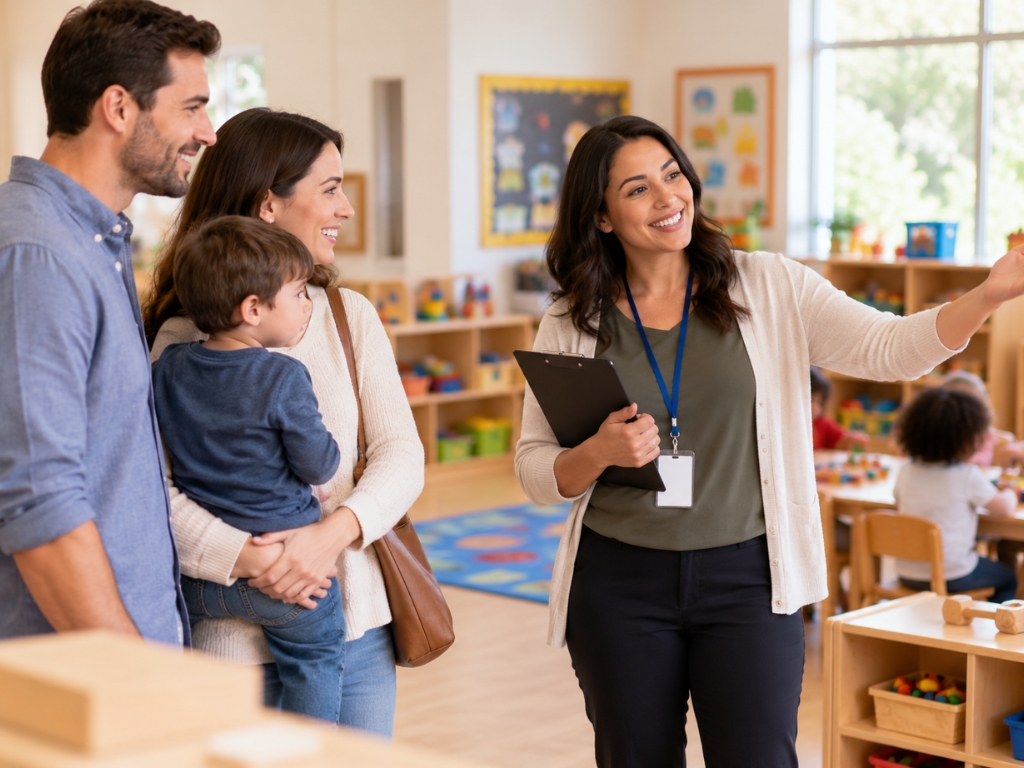
If you’re looking for a preschool that prioritizes individual attention and whole-child development, Old Spanish Trail School is here to help. Contact us today to schedule a tour, meet our dedicated teachers, and see how our welcoming learning environment can give your child a confident start on their educational journey.