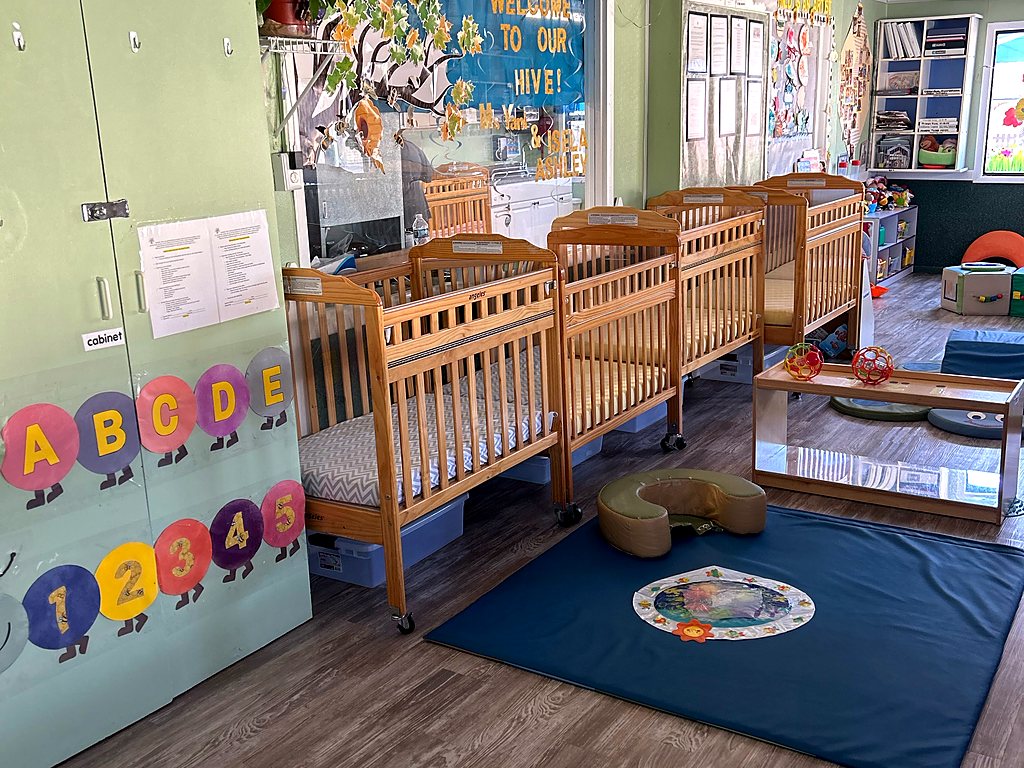

When you think about what your child needs most during the early years, it’s not just toys or playtime; it’s stability. That sense of knowing what’s coming next. As parents, you see it every day. A regular bedtime, snack time, or even their favorite morning show can make or break the day.
That’s exactly why preschool programs put so much focus on routines. They don’t just fill the day with activities; they create a predictable rhythm that helps children feel safe, confident, and ready to learn.
Why Routine Matters for Young Children
A predictable schedule helps young children feel secure, organized, and ready to learn. When the day follows a steady rhythm, kids don’t have to guess what’s happening next. That stability lowers stress, supports emotional regulation, and gives them the confidence to participate more fully.
A consistent schedule also strengthens important skills:
- Better Focus: Children settle into activities faster because their minds aren’t occupied with uncertainty.
- Smoother Transitions: Moving from play to cleanup or from lunch to rest time becomes easier when those steps happen the same way each day.
- Stronger Independence: Kids start completing tasks on their own because they know the routine: hanging backpacks, washing hands, or getting ready for group time.
- Improved Social Behavior: Predictability reduces frustration, which helps kids communicate, share, and cooperate with others.
- Greater Emotional Stability: Children feel more in control, which helps them manage big feelings and handle small challenges with confidence.
A predictable schedule doesn’t limit children. It frees them to learn, explore, and grow with confidence because the structure around them feels familiar and safe.
Building Independence with Routine
Routine gives kids a clear picture of how their day works. When the same steps happen every day, children start to understand the flow without needing constant reminders. After a while, they don’t wait for a teacher to tell them what’s next. They already know.
This is how kids learn to manage small tasks on their own. Routine shows them what to do, when to do it, and how to do it. They get used to thinking through simple steps and making decisions that feel safe and familiar.
Soon, you’ll see that same independence at home. Your child might put away toys or start their nighttime steps without being asked. Routine doesn’t control children; it gives them the structure they need to handle things confidently.
If you want to support your child’s independence at home too, you might like our blog: Creating a Morning Routine for a Smooth Daycare Drop-off.
How Routine Supports Learning
Kids learn best when they feel calm and settled, and routine helps create that feeling. When the day follows a predictable pattern, children don’t have to guess what’s coming next. They can focus on the activity in front of them instead of feeling distracted or unsure.
Routine also helps kids build skills through repetition. When certain activities happen every day, children get lots of practice without feeling pressured.
The flow of the day matters too. Clear transitions make it easier to move from one activity to the next, which keeps the learning going. And when preschool programs mix quiet time, active play, group learning, and free choice, kids stay engaged because the schedule feels balanced and manageable.
How Routine Strengthens Emotional Stability
Kids feel more in control when they understand their day, and routine gives them that sense of security. When children know what to expect, they handle changes, instructions, and emotions with much more ease. They can settle into activities faster because the routine feels familiar and safe.
You’ll notice the difference at home as well. Children who follow routines at school often handle bedtime, meals, and morning steps more smoothly. They’ve practiced waiting, taking turns, and following simple steps throughout the day, so those same skills show up outside the classroom.
Routine helps them communicate more clearly too because they’re used to expressing what they need at specific times. Over time, this steady rhythm teaches kids how to manage their emotions instead of being overwhelmed by them.
Balancing Routine and Flexibility
Routine gives children a sense of stability, but they also need opportunities to adapt when things change. Strong preschool programs create this balance with intentional strategies that help kids stay grounded while building resilience.
Here are practical ways teachers do this:
- Keeping the core schedule the same. Anchor points like meals, rest time, and cleanup stay consistent. This gives kids a dependable structure even when other activities shift.
- Introducing small, manageable changes. Teachers may switch the order of activities, add a new game, or extend outdoor play when the group is engaged. These small adjustments teach kids that change can be positive.
- Using visual cues. Picture schedules or simple icons help children understand what’s happening now and what’s coming next, even if the order changes. This reduces stress during unexpected transitions.
- Preparing kids for changes in advance. Teachers let children know when something will be different, like a special guest or a field activity. Early communication helps kids process the change without feeling overwhelmed.
- Teaching transition skills. Songs, countdowns, or clear verbal cues guide children through shifts in the day. These tools help kids build flexibility without frustration.
- Giving choices within structure. During learning centers or playtime, children choose what they want to explore. This freedom within a predictable framework builds confidence and adaptability.
Why Parents Appreciate Routine Too
Routine helps parents as much as it helps kids. When you know your child’s daily schedule, you can support their development at home with more confidence and consistency.
Parents often value routine because:
- It creates predictable behavior. You understand your child’s energy levels and needs throughout the day.
- It strengthens home routines. You can mirror parts of the school schedule, like cleanup time or quiet time, to make your own day smoother.
- It improves communication. When your child’s day follows a clear pattern, you can ask better questions about their experiences.
- It strengthens trust in the program. Knowing that your child’s day is structured and stable makes drop-offs easier.
Routine gives families a shared rhythm that supports smoother days, calmer evenings, and more meaningful conversations.
Ready to Give Your Child a Strong Start?
Every parent wants their child to feel secure and supported. That sense of comfort starts with a steady routine that helps children trust their environment and the people in it. With that trust, they grow more confident, focused, and independent both in school and at home.
If you want your child to feel confident, supported, and excited to learn each day, Old Spanish Trail School is here to help. Our preschool programs use structure, routine, and warm guidance to create a safe environment where kids grow at their own pace.
Reach out today to schedule a visit or ask questions. Your child’s next step toward confidence and independence starts here.