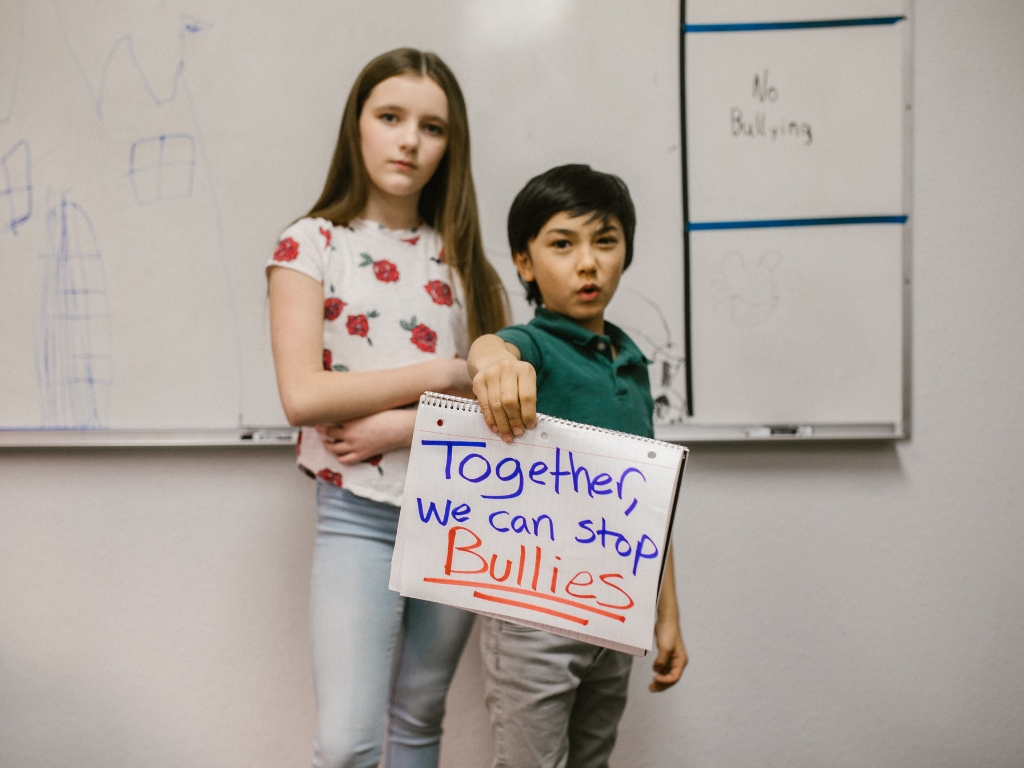
Bullying is one of the main concerns parents have when choosing a kindergarten class. You want your child to feel safe, welcomed, and supported from the first day of school. That concern is valid because early classroom experiences shape how children learn, interact, and respond to challenges.
A safe kindergarten class does more than respond to problems after they happen. It creates a setting where children learn respect, communication, and healthy boundaries early. When those lessons are built into the school day, harmful behavior is less likely to take hold.
Bullying Can Start with Small Behaviors
In a kindergarten class, bullying does not always look the way people expect. At this age, children are still learning how to manage emotions, join group activities, and express frustration. Because of that, early hurtful behavior may show up in ways that seem small at first but still need attention.
A child may repeatedly leave another child out of a game, grab materials, use unkind words, or refuse to cooperate. These actions may not come from the same level of intent seen in older children, but they can still affect how safe another child feels in class.
When a teacher notices patterns early, there is a better chance to correct them before they become part of the classroom culture.
A Safe Kindergarten Class Sets the Tone Early
The classroom environment matters from the first day. Young children learn by watching the adults around them, listening to how problems are handled, and repeating what is modeled for them. When a teacher creates a calm and respectful space, children start to understand what kind of behavior looks like in practice.
This is one reason early guidance is more effective than waiting for behavior to get worse. A safe kindergarten class helps children understand that every student deserves respect.
Instead of treating bullying prevention as a separate topic, strong classrooms make it part of daily learning, daily routines, and daily conversations.
Prevention Works Better Than Waiting for Problems
Many parents think bullying prevention starts when a child reports a serious issue. In reality, the best approach starts much sooner. Prevention gives children the tools they need before conflict becomes a pattern. It also helps teachers step in while problems are still manageable.
The Centers for Disease Control and Prevention notes that schoolwide efforts focused on social, emotional, and behavioral support can help reduce aggression and improve student well-being.
Early childhood settings especially benefit from clear routines and direct teaching because young children are still building the skills needed to handle peer interactions well.
How Teachers Help Prevent Bullying
Teachers have a major role in shaping how children treat one another. In a well-managed kindergarten class, they not only correct behavior. They teach children what to do instead. That makes a real difference because young children need clear examples and repetition.
A teacher may guide a child to ask for a turn instead of taking a toy. They may help students name their feelings when frustration builds. They may also step in during play to help children include others and solve simple conflicts.
These responses teach social behavior in real time, which is often more effective than a lecture after the fact. The following teacher practices often help prevent problems before they grow:
- Modeling calm and respectful communication every day
- Addressing exclusion, teasing, or repeated conflict right away
- Reinforcing kindness, sharing, and cooperation during class activities
- Teaching children how to express feelings using clear and simple language
- Guiding students through problem-solving instead of solving conflicts for them
If you’re looking for ways to support this at home, you can also read our blog on How to Improve Child Behavior Without Yelling or Punishment, which shares simple strategies you can use daily.
Social Skills Are Part of Bullying Prevention
A safe kindergarten class does not treat social skills as optional. Skills like listening, taking turns, apologizing, and asking for help are part of how children succeed in school.
When children do not know how to handle disappointment or speak up appropriately, peer conflict becomes more likely. That is why strong kindergarten programs make room for social development throughout the day.
Group work, guided play, class discussions, and shared routines all give children chances to practice interacting with others. These moments may seem simple, but they help children build habits that protect the classroom environment over time.
Clear Expectations Help Children Feel Secure
Young children respond well to consistency. They feel more secure when they know what is expected and what happens when rules are not followed.
In a kindergarten class, unclear expectations can lead to confusion, frustration, and repeated behavior problems. Clear expectations reduce that uncertainty and make it easier for children to succeed.
Rules should be simple enough for children to remember and meaningful enough for them to apply in daily situations. Teachers often revisit expectations through reminders, classroom conversations, and practice throughout the week. This keeps behavior standards visible and easy to understand.
Common classroom expectations may include:
- Use kind words with classmates and teachers.
- Keep your hands, feet, and objects to yourself.
- Share materials and take turns during activities.
- Listen when someone else is speaking.
- Ask for help instead of reacting with frustration.
- Respect personal space during play and group work.
- Clean up after activities and take responsibility for materials.
Positive Reinforcement Builds Better Habits
Children are more likely to repeat behavior that gets noticed in a positive way. In a safe kindergarten class, teachers use encouragement to show students what respectful behavior looks like.
This does not mean ignoring negative behavior. It means making positive behavior visible so children understand what they should keep doing.
When a teacher points out that a student included a classmate, waited patiently, or used kind words during a disagreement, the lesson becomes concrete. Children begin to connect their actions with how others feel and how the classroom works.
Over time, these positive patterns become part of the group culture instead of something children only do when reminded.
Playtime Is a Key Part of Prevention
Much of early childhood learning happens during play. That includes social learning. Play is where children negotiate roles, solve disagreements, share space, and respond to disappointment.
It is also where early exclusion or controlling behavior can appear. Because of that, playtime is one of the most important times for teacher observation and guidance.
A safe kindergarten class does not leave children entirely on their own during peer interaction. Teachers stay involved, watch for repeated issues, and help children work through problems in appropriate ways.
Structured play, guided centers, and teacher-supported group activities all help reduce the chance that one child will dominate or exclude others without correction.
Parents Also Play an Important Role
Schools are not the only place where children learn how to treat others. What your child sees and practices at home influences how they behave in class. When families and teachers send the same message about kindness, respect, and communication, children receive a more consistent foundation.
You can support bullying prevention by talking with your child about feelings, friendships, and how to handle problems. It also helps to ask specific questions after school instead of only asking whether the day was good.
A child may not always say they are struggling unless the question invites a real answer. When home and school stay connected, concerns are more likely to be caught early.
Here are a few ways you can support a safe kindergarten class at home:
- Practice using words to express frustration, sadness, or anger.
- Talk about how to include others during play and group activities.
- Stay in regular communication with teachers about behavior or social concerns.
- Model respectful communication in your daily interactions at home.
- Set clear expectations for sharing, turn-taking, and listening.
- Read books or stories that highlight kindness and empathy.
- Encourage your child to talk about their day and any challenges they faced.
- Guide your child to solve small conflicts instead of stepping in right away.
How Old Spanish Trail School Can Support Early Positive Behavior
Old Spanish Trail School addresses bullying in a kindergarten class by focusing on early guidance, clear expectations, and daily support for positive behavior.
Teachers help children learn how to use kind words, solve conflicts, include others, and treat classmates with respect, while stepping in early when problems like teasing, exclusion, or repeated conflict begin to appear.
Ultimately, we create a classroom environment where children feel safe, supported, and ready to build healthy relationships.
A Strong Start Makes a Difference
Bullying prevention in a kindergarten class starts long before a serious issue appears. It begins with routines, teacher guidance, open communication, and daily practice in social skills. These pieces work together to create an environment where children learn how to treat others well.