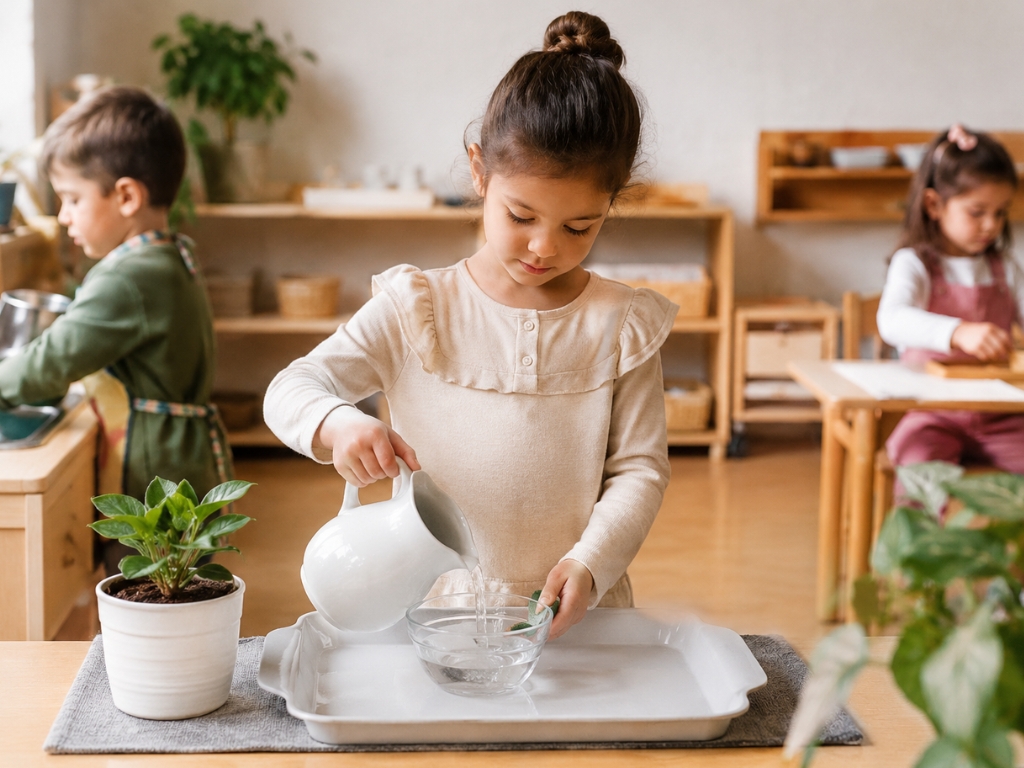

Routines are a big part of early education. They help children know what to expect, move through the day with less stress, and build habits that support learning. In many child learning Cave Creek AZ environments, structure is used to create a calm setting where children can focus, participate, and feel secure.
Still, not every child responds well to routines right away.
Some children push back when it is time to clean up, sit in a group, follow directions, or move from one activity to the next. That resistance can leave parents wondering whether the child is being stubborn, emotionally overwhelmed, or simply not ready for a structured setting.
In most cases, the answer is more nuanced. Children resist routines for different reasons, and those reasons often have more to do with development and temperament than behavior alone.
Why Routines Matter in Early Learning
Routines help children understand how their day works and what is expected of them. When daily activities follow a clear pattern, children often feel more secure, focused, and ready to participate.
- Predictability builds confidence: When children know what comes next, they often feel safer and more comfortable throughout the day.
- Routines support attention: A steady schedule helps children stay focused because they are not constantly trying to adjust to unexpected changes.
- Consistency improves social development: Children who follow routines are often better able to cooperate, take turns, and engage with others.
- Structure helps classrooms run smoothly: Clear routines give teachers a way to guide the day with less confusion and fewer disruptions.
- Transitions still take effort: Even simple routines can be difficult because young children must stop, shift attention, follow instructions, and manage emotions quickly.
Some Children Feel Overwhelmed by New Expectations
New routines can feel unfamiliar and demanding. A child entering a structured setting for the first time must adjust to group instruction, time limits, and repeated transitions. Even when the environment is supportive, these changes can create stress because your child does not yet understand what to expect.
This often appears during drop-off, cleanup, or group time. A child may hesitate, ignore directions, or react emotionally to small changes. These responses are usually tied to uncertainty rather than refusal.
Consistency helps reduce this pressure. When routines are repeated in a calm and predictable way, children begin to recognize patterns and feel more secure in their environment.
Temperament Influences How Children Respond
Each child has a different temperament, and that shapes how they react to structure. Some children prefer predictability and follow routines quickly. Others need more movement, flexibility, or independence to feel comfortable. These differences are part of normal development and should be expected in early learning.
For example, a highly active child may struggle with sitting still for long periods, while a more independent child may resist being directed. In child learning Cave Creek AZ programs, classrooms that recognize these differences tend to see better outcomes. When routines are adapted to fit a child’s pace and personality, resistance often decreases and participation improves over time.
Transitions Are Often the Real Challenge
Children often resist transitions rather than routines themselves. Moving from one activity to another requires them to shift focus, stop what they are doing, and adjust quickly. These skills are still developing, which makes transitions one of the most common sources of frustration.
For example, a child deeply engaged in play may react strongly when asked to clean up. This reaction is not always about the task itself but about stopping before they feel ready. Giving advance notice, using consistent cues, and allowing brief adjustment time can help. When transitions become predictable, children learn to prepare mentally, which reduces resistance and supports smoother movement between activities.
Emotional Development Affects Routine Behavior
Children are still developing emotional control during the early years. Skills like waiting, following instructions, and managing frustration take time to build. Routines often highlight where your child still needs support, especially in structured settings.
A child may understand a routine but still react emotionally when it is time to move on. According to the CDC, emotional and social development continues rapidly between ages three and five. During this stage, children are learning self-control and communication. When routines are paired with guidance and patience, children gradually build the skills needed to handle structure more effectively.
Differences Between Home and School Routines
A child’s experience at home can affect how they respond to structured environments. If routines at home are flexible, a more structured schedule at school may feel unfamiliar. This difference can create resistance as your child adjusts to new expectations.
You can support this transition by introducing simple routines at home. Regular bedtime habits, consistent meal times, and basic cleanup expectations help children build familiarity with structure. These routines do not need to be strict. They only need to be consistent enough for your child to recognize patterns and feel more prepared in learning environments.
Children Respond Better When They Have Some Control
Children are more likely to cooperate when they feel involved. Structure works best when it includes small choices that give your child a sense of control. This reduces power struggles and encourages participation.
For example, letting your child choose between two options or assigning them a specific role can make routines easier to follow. These small decisions help children feel capable while still working within a structured environment. When children feel included in the process, they are more likely to engage without resistance.
The Learning Environment Plays a Role
The way routines are introduced matters as much as the routine itself. Some environments are calm and responsive, while others may feel rushed or rigid. A child’s reaction to structure can often reflect how that environment is managed.
In quality programs, routines are taught gradually with clear expectations and supportive guidance. Teachers prepare children for transitions and respond calmly when challenges arise. When structure is handled with consistency and awareness, children begin to trust the process and participate more willingly.
How You Can Help Your Child Adjust
You can help your child adjust to structure by creating simple routines that feel clear and manageable at home. Small daily habits give your child more familiarity with expectations and make transitions feel less overwhelming.
- Start with simple routines at home: Predictable habits like getting dressed, cleaning up, and following a bedtime routine help your child get used to structure.
- Prepare your child for transitions: Letting your child know what is coming next gives them more time to shift attention and adjust.
- Keep your response calm and consistent: A steady response helps reinforce expectations without adding stress to the moment.
- Use repetition to build comfort: Repeating the same routines daily helps your child feel more secure and confident over time.
- Focus on progress, not perfection: Small improvements each day can help your child respond more positively to structured environments.
When Resistance Needs More Attention
Some resistance is expected, especially during new transitions. However, ongoing difficulty with routines or strong emotional reactions may need closer attention. If your child consistently struggles to adapt, it may help to speak with educators or observe the learning environment more closely.
Early support can help identify whether the issue is developmental or related to the environment. Addressing concerns early allows you to make adjustments that better support your child’s needs and improve their experience.
Supporting Long-Term Learning Success
Routines shape how children approach learning over time. When children gradually adjust to structure, they develop stronger focus, independence, and confidence in group settings. These skills support long-term success in both academic and social environments, especially in programs like Quality Interactive Preschool & Montessori, where routines are introduced with guidance and flexibility.
If your child resists routines now, it does not mean they will continue to struggle. With consistency, patience, and the right support, most children learn to navigate structure effectively. The key is to respond in a way that builds trust and helps your child grow at their own pace.