
Searching for the best preschools in Tucson can feel overwhelming. You’ll find lists, rankings, and reviews, but none of them tell you one important thing: whether a school is right for your child.
Every child learns differently. Some jump into group activities, while others take time to warm up. Some prefer structure, while others do better with freedom. When you choose a preschool that doesn’t match your child’s personality, it often leads to frustration, slow adjustment, and unnecessary stress.
The goal is not to find the “top-rated” school. The goal is to find the one where your child feels comfortable, engaged, and supported.
Why Personality Fit Matters More Than Rankings
Most parents start by looking at reviews, curriculum, and facilities. These factors matter, but they don’t guarantee a good experience for your child.
Research from the National Institute of Health shows that children perform better when their learning environment matches their temperament. When the environment fits, children tend to participate more, build relationships faster, and adjust with less resistance.
You may notice the difference quickly. A child who feels comfortable is more willing to join activities and interact with others. A child who feels out of place may hesitate, withdraw, or resist going to school.
That’s why personality fit should guide your decision from the start.
Start by Understanding Your Child
Before comparing the best preschools in Tucson, take a step back and observe your child’s behavior. Small patterns in daily life can tell you what kind of environment will work best.
Look at how your child interacts with others. Some children approach new people easily, while others prefer to observe first. This affects how they handle group activities and social settings in school.
Pay attention to energy levels. A child who enjoys constant movement will struggle in a quiet, structured classroom. A child who prefers calm activities may feel overwhelmed in a high-energy environment.
Also, consider independence. Some children like to explore and complete tasks on their own, while others look for guidance and reassurance. This plays a big role in how they respond to different teaching styles.
These observations help you filter your options and avoid choosing a school that feels like a mismatch.
How Different Preschool Styles Affect Your Child
Not all preschools operate the same way. Understanding the structure of each type can help you connect your child’s personality with the right environment.
-
Montessori Programs
Montessori classrooms focus on independence and self-paced learning. Children choose activities and work individually or in small groups, with teachers guiding rather than directing.
This setup often works well for children who are naturally curious and comfortable working on their own. If your child enjoys exploring without constant instruction, this approach may feel natural.
However, children who rely on structure or frequent guidance may struggle to stay engaged in this environment.
-
Play-Based Programs
Play-based preschools use games, storytelling, and group interaction to teach skills. The day often includes flexible routines and social activities.
This approach supports children who learn through interaction and movement. If your child enjoys playing with others and responds well to hands-on activities, this environment can help them stay engaged.
On the other hand, children who prefer clear structure may need more guidance to stay focused in a play-based setting.
-
Academic-Focused Programs
Some preschools follow a more structured schedule with early exposure to reading, writing, and basic academics.
This works well for children who follow instructions easily and feel comfortable with routines. If your child shows early interest in learning tasks, they may respond well to this type of program.
Children who need more movement or flexibility may find this environment restrictive over time.
-
Mixed-Approach Programs
Many of the best preschools in Tucson combine elements from different approaches. You may see a balance of structured learning and free play throughout the day.
This setup works for children who need both guidance and flexibility. It also helps if your child is still developing clear preferences and can adapt to different activities.
What to Look for When You Visit a Preschool
Tours give you a chance to go beyond brochures and websites. Focus on what your child will experience in that environment.
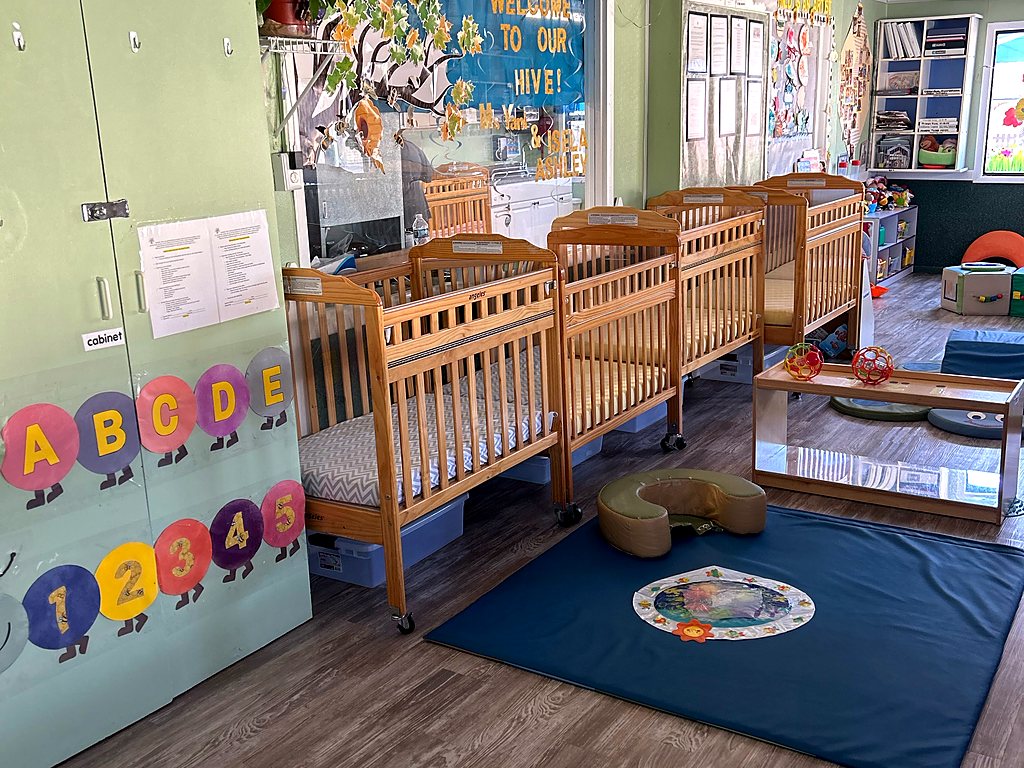
Start with the classroom setup. A quiet, organized space supports focus and routine, while an open, active space encourages movement and interaction. Compare what you see with your child’s natural behavior.
Watch how teachers interact with children. Some classrooms rely on direct instruction, while others allow children to explore independently. Think about which approach your child responds to better.
If possible, bring your child to the visit. Their reaction can tell you more than any checklist. Notice if they show curiosity, engage with activities, or stay hesitant. These responses often reflect how they will adjust in the long term.
How to Make a Confident Decision
Once you narrow down your options, compare each school based on how well it fits your child’s personality.
Ask yourself if your child would feel comfortable in that space. Think about how they would respond to the daily routine, teaching style, and level of interaction.
If something feels uncertain, take the time to revisit the school or ask more questions. A second visit often gives you more clarity.
Choosing a preschool is not about finding the most impressive option. It’s about finding the one where your child can participate, build confidence, and enjoy learning.
What Parents in Tucson Should Keep in Mind
Many of the best preschools in Tucson have limited availability, and spots can fill months in advance. This is often true for schools with strong reputations, personalized learning environments, and programs that give children room to grow at their own pace.
Starting your search early gives you more flexibility and better options. It also gives you time to find a school that truly fits your child instead of choosing based on what is left.
For parents exploring Outer Limits School, planning ahead can help you secure a place in a preschool environment that values confidence, curiosity, and individual development.
You should also think about practical factors like location and schedule. A preschool should support your child’s needs, but it should also work well with your family’s daily routine.
Choosing What Works for Your Child
The process becomes clearer when you shift your focus. Instead of asking which school ranks the highest, focus on which one matches your child’s personality.
When the environment fits, your child is more likely to adjust, participate, and build positive habits early on.
That’s what makes the real difference when choosing among the best preschools in Tucson.