Choosing a private preschool in Tucson is one of the first major education decisions many parents make.
You want a place where your child feels safe, supported, and excited to learn. You also want a school that helps prepare them for kindergarten without placing too much pressure on them too soon.
So, what actually makes a preschool great?
Early childhood experts often point to the same core qualities: caring teachers, a safe environment, age-appropriate learning, strong communication, and a focus on the whole child. A great preschool does more than teach letters and numbers. It helps children build confidence, independence, curiosity, and social skills.
Why Early Childhood Education Matters
The preschool years are a key stage in your child’s development. During this time, children are learning how to communicate, solve problems, manage emotions, and interact with others.
A strong preschool experience can support:
- Early language development
- Fine and gross motor skills
- Social confidence
- Emotional regulation
- Early math and literacy skills
- Independence and responsibility
According to the U.S. Administration for Children and Families, early care and education can help children build foundational skills in reading, math, self-control, and positive relationships.
This is why quality matters. A preschool should not feel like rushed academics or basic childcare. It should offer a balanced environment where children learn through guided instruction, play, conversation, and hands-on exploration.
Qualified and Caring Teachers
Teachers are one of the most important parts of any preschool program.
A great private preschool in Tucson should have educators who understand child development and know how to work with young children at different stages. Preschool teachers need patience, warmth, structure, and creativity.
Parents should look for teachers who:
- Speak to children with respect
- Encourage questions
- Help children solve conflicts
- Create calm classroom routines
- Understand different learning styles
During a tour, pay attention to how teachers interact with children. Are they engaged? Are they down at the child’s level? Do children seem comfortable asking for help?
A beautiful classroom matters less than the quality of the adults leading it.
A Safe and Nurturing Environment
Young children learn best when they feel secure. A great preschool should have strong safety procedures, clean classrooms, age-appropriate materials, and clear check-in and pickup policies. But emotional safety is just as important.
Children should feel accepted, heard, and supported. They should be allowed to make mistakes, try again, and express their feelings in healthy ways.
A nurturing preschool environment often includes:
- Predictable daily routines
- Positive behavior guidance
- Calm transitions between activities
- Encouragement instead of shame
- Respect for each child’s personality
When children feel safe, they are more willing to explore, participate, and build relationships.
A Balanced Curriculum That Supports Real Learning
Preschool should prepare children for kindergarten, but that does not mean every activity needs to feel academic.
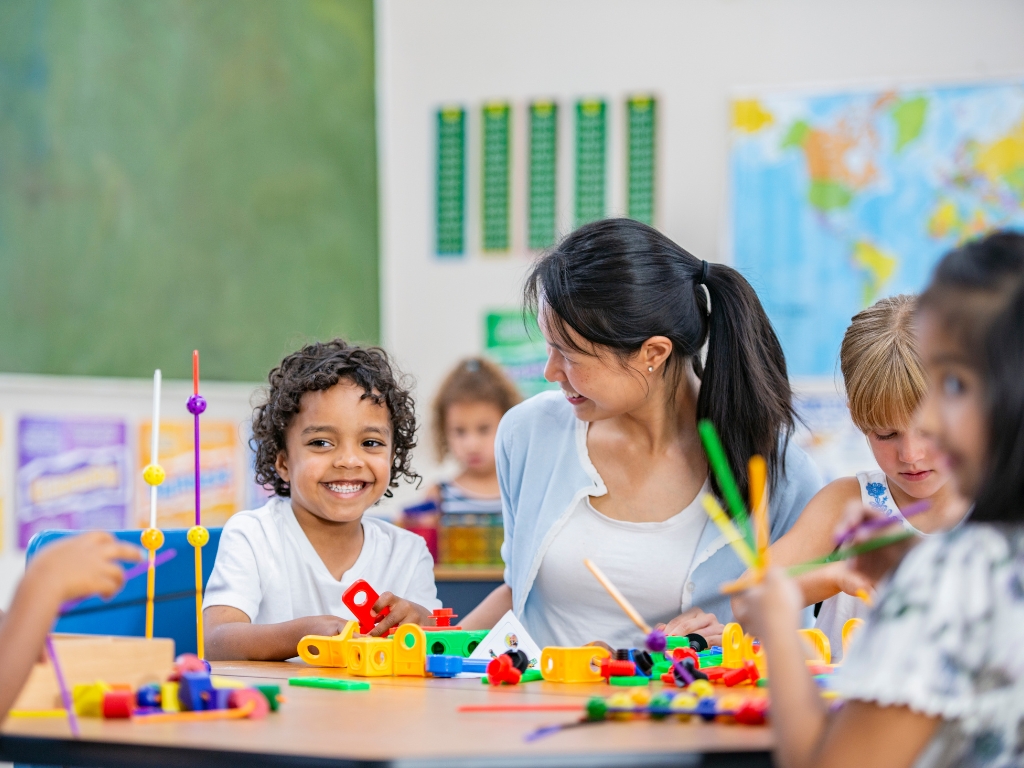
A strong curriculum blends early literacy, math, science, art, music, movement, and social development. The best programs use play-based and hands-on learning to make concepts easier for young children to understand.
For example, children may learn counting by sorting blocks, develop language skills during story time, or explore science by observing plants outside.
This kind of learning feels natural to children. It also helps them connect new ideas to real experiences.
When evaluating a private preschool in Tucson, ask how the school balances structure and play. Children need both. They benefit from teacher-led activities, but they also need time to imagine, create, move, and make choices.
Social and Emotional Growth Matters
Preschool is often one of the first places where children learn how to function in a group outside their family.
They learn how to wait for a turn, share materials, follow directions, express needs, and handle disappointment. These skills are essential for kindergarten and daily life.
A strong preschool should teach social and emotional skills throughout the day, not only when problems happen.
Teachers may help children:
- Name their emotions
- Use words during conflict
- Practice empathy
- Build friendships
- Gain confidence in group settings
These lessons may seem small, but they shape how children approach challenges, relationships, and learning.
Strong Parent-School Communication
A great preschool does not leave parents guessing. You should know how your child is doing, what they are learning, and how the school handles concerns. Strong communication builds trust between families and teachers.
Look for schools that offer:
- Regular updates
- Parent-teacher conferences
- Clear communication policies
- Progress observations
- Opportunities for family involvement
Parents and teachers should work as a team. When communication is open, children benefit from consistency between home and school.
Outdoor Learning Opportunities in Tucson
Tucson offers many opportunities for outdoor learning.
A great private preschool in Tucson can use outdoor spaces to support physical activity, curiosity, and nature-based exploration. Children can observe weather, plants, insects, shadows, textures, and seasonal changes.
Outdoor play also supports balance, coordination, teamwork, and confidence.
When touring a preschool, look at the outdoor areas. Are they safe, shaded, and age-appropriate? Do children have room to run, climb, dig, build, and explore?
Outdoor time should be more than a break from the classroom. It can be an important part of the learning experience.
Questions to Ask When Touring a Private Preschool in Tucson
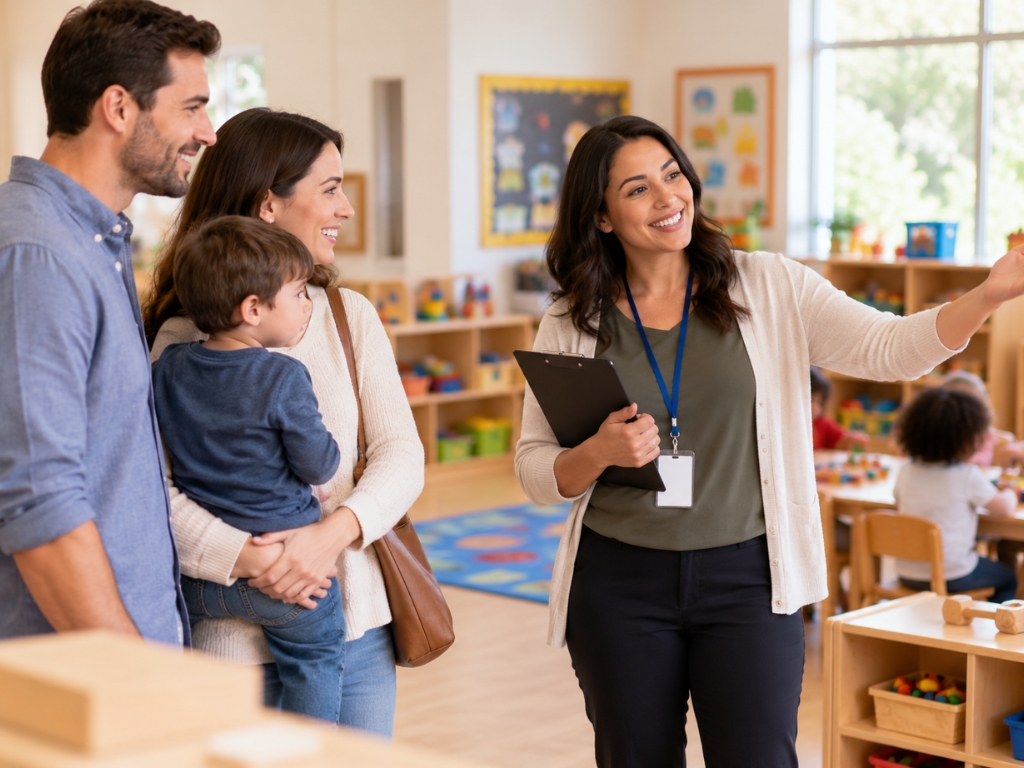
A school tour can tell you a lot, especially when you know what to ask. Consider asking:
- What is your teaching philosophy?
- What are your teacher qualifications?
- How do you handle behavior guidance?
- What is your student-to-teacher ratio?
- How do you communicate with parents?
- How do you help children prepare for kindergarten?
- How do you support children with different personalities or learning styles?
Also trust what you observe. Do children seem engaged? Are teachers attentive? Does the classroom feel organized but welcoming?
A great preschool should be transparent and willing to answer your questions.
What Is the Best Age to Send a Child to Private School?
Many parents wonder when their child should start private preschool. For most children, preschool begins around ages 3 to 5. Some programs also offer toddler classrooms for younger children. However, the best age depends on your child’s development, personality, and family needs.
Age is only one part of readiness. Your child may be ready for preschool if they can:
- Spend short periods away from parents
- Follow simple directions
- Show interest in other children
- Communicate basic needs
- Participate in simple routines
Some children adjust quickly. Others need more time and support. That is normal.
If you are unsure, ask the preschool how they help new children transition. A thoughtful program will have a clear plan for easing separation anxiety and helping children feel comfortable.
Final Thoughts
Choosing the right private preschool in Tucson is about finding the environment where your child can feel safe, supported, and ready to grow.
The best programs combine qualified teachers, caring relationships, balanced curriculum, social-emotional learning, outdoor exploration, and strong parent communication.
If you’re searching for a private preschool in Tucson that prioritizes your child’s growth, curiosity, and confidence, Outer Limits School is here to help. Contact us today to learn more about our programs or schedule a tour to see our classrooms in action.