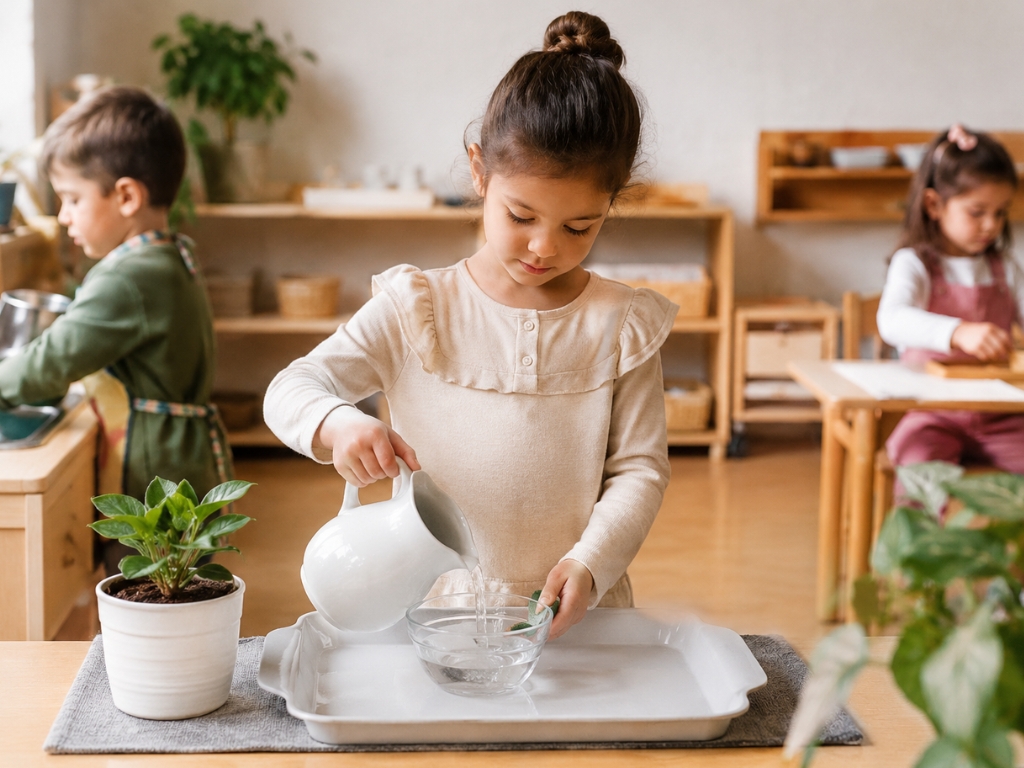
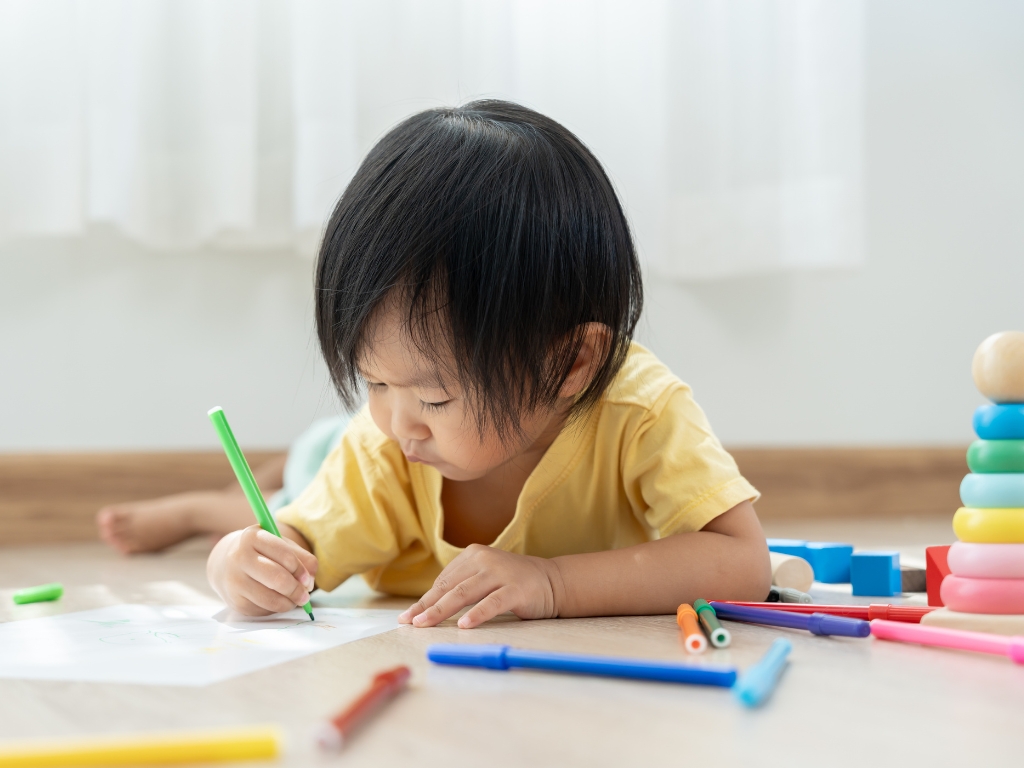
Many parents notice their preschooler avoiding crayons, struggling to hold a pencil, or losing interest in writing quickly. Often, the issue is not motivation. Preschoolers may simply need stronger fine motor skills first.
Strong hand and finger muscles help children draw, trace, color, and write more comfortably. That is why preschool writing activities should go beyond worksheets. Hands-on, play-based activities can strengthen coordination, build writing readiness, and make learning more enjoyable.
Fine Motor Skills Before Preschool Writing
Fine motor skills involve the small muscles in the hands, fingers, and wrists. Preschoolers use these muscles every day for tasks such as:
- Holding crayons and pencils
- Cutting with scissors
- Buttoning clothing
- Turning book pages
- Picking up small objects
When these muscles are still developing, writing can feel uncomfortable and frustrating.
Children build fine motor control gradually through play-based activities like drawing, stacking, and manipulating objects. Early fine motor practice supports handwriting readiness and classroom success later on.
Many parents focus heavily on teaching letters early. However, handwriting readiness starts with strength and coordination first. Before preschoolers can write neatly, they need stability, control, and muscle endurance.
Some common signs that a child may need more fine motor practice include:
- Avoiding coloring or drawing
- Switching hands often while writing
- Complaining about hand fatigue
- Difficulty tracing shapes
- Weak pencil grip
The answer is not more pressure, rather more purposeful play.
Strengthening Hand Muscles
Preschool writing activities do far more than teach children how to form letters. They also build the physical foundation needed for successful writing later on.
As preschoolers participate in playful writing tasks, they naturally strengthen:
- Grip strength
- Hand-eye coordination
- Finger control
- Wrist stability
- Bilateral coordination
These skills improve through repetition, movement, and hands-on exploration.
For example, squeezing playdough strengthens small hand muscles. Peeling stickers improves finger precision. Tracing lines and shapes develops better control and coordination.
Short, consistent practice sessions usually work better than long writing drills. Preschoolers learn faster when activities feel manageable and enjoyable.
Preschool Writing Activities That Build Fine Motor Skills Faster
Strong fine motor skills help preschoolers gain better control when drawing, tracing, coloring, and writing. Before children can comfortably hold a pencil or write letters clearly, they need strength and coordination in their hands and fingers.
Preschool writing activities should focus on movement, sensory play, and hands-on learning instead of worksheets alone. These activities make writing more fun while improving hand strength, coordination, focus, and confidence.
- Sand Tray Letter Writing
Fill a shallow tray with sand or salt and encourage preschoolers to trace letters, lines, or shapes using their fingers. This activity strengthens finger control while helping children practice letter formation in a low-pressure environment. - Playdough Letter Building
Rolling, pinching, and shaping playdough helps strengthen the small muscles in the hands and fingers. Preschoolers can form letters, numbers, or simple shapes while improving grip strength needed for writing. - Sticker Peeling and Placement
Peeling stickers off a sheet and placing them onto paper improves pincer grasp and finger coordination. You can turn this into a writing activity by asking children to place stickers along traced letters or shapes. - Sidewalk Chalk Writing
Writing with sidewalk chalk encourages larger arm movements that support shoulder and wrist stability. Preschoolers can practice drawing lines, shapes, and oversized letters outdoors while staying active. - Shaving Cream Writing
Spread shaving cream on a flat surface and let preschoolers trace letters or patterns with their fingers. The sensory experience keeps children engaged while helping them practice controlled hand movements. - Clothespin Letter Match Games
Clipping clothespins onto alphabet cards strengthens hand muscles and improves grip control. This activity also supports letter recognition and hand-eye coordination. - Vertical Surface Drawing
Drawing or writing on easels, windows, or vertical whiteboards helps strengthen wrists and shoulders. Occupational therapists often recommend vertical activities because they promote better posture and pencil control. - Water Painting With Brushes
Give preschoolers paintbrushes and cups of water so they can “paint” letters or shapes outdoors. Holding and controlling a paintbrush helps improve wrist movement and coordination without the pressure of making mistakes.
How to Make Writing Fun for Preschoolers?
Many preschoolers lose interest in writing when activities feel repetitive or too structured. Making writing fun helps children stay engaged while building confidence and fine motor skills. Simple changes to everyday activities can turn writing practice into something preschoolers look forward to.
- Use Fun Writing Tools
Preschoolers often get more excited about writing when they can use colorful or unique materials. Try gel crayons, chalk markers, finger paint, or magnetic drawing boards to make activities feel new and interesting. - Add Favorite Themes
Using themes preschoolers already enjoy can make writing activities more engaging. Dinosaur lovers may enjoy tracing dinosaur letters, while children interested in space may have fun drawing planets and labeling them. - Turn Writing Into a Game
Games help preschoolers practice writing skills without feeling pressured. Activities like letter scavenger hunts, tracing giant outdoor letters, or matching letters with stickers keep children active while learning. - Include Sensory Play
Sensory activities make writing feel more interactive. Preschoolers can practice tracing letters in sand, shaving cream, or salt trays while improving finger control and coordination. - Celebrate Effort and Creativity
Focusing too much on perfect handwriting may frustrate preschoolers. Encouraging creativity, participation, and progress helps children build confidence and enjoy the learning process more.
Simple Daily Routine for Preschool Writing Practice
Simple Daily Routine for Preschool Writing Practice
A short daily routine can help preschoolers build fine motor skills without feeling overwhelmed. Consistent practice improves hand strength, coordination, and writing confidence over time. Keeping activities simple and playful also helps children stay engaged longer.
- Start With a Quick Fine Motor Warm-Up
Begin with activities that wake up the hand muscles before writing practice. Simple tasks like squeezing playdough, using tweezers, or clipping clothespins can improve finger strength and coordination. - Practice Short Writing Activities
Keep writing sessions brief to avoid frustration. Preschoolers can trace shapes, draw lines, practice letters in sand trays, or use sidewalk chalk to build writing control in a fun way. - Add Sensory Writing Play
Sensory activities help preschoolers stay interested while improving hand movements. Writing in shaving cream, salt trays, or finger paint can make practice feel more interactive and enjoyable. - Include Creative Drawing Time
Allow preschoolers to draw pictures, create simple stories, or label objects. Creative activities help children connect writing with self-expression instead of pressure. - End With Positive Encouragement
Praise effort and progress rather than focusing on perfect handwriting. Positive feedback helps preschoolers feel more confident and motivated to keep practicing.
Final Thoughts
Preschool writing activities should build fine motor skills, confidence, and a love for learning, not just handwriting. Every child develops writing readiness at their own pace, which is why play-based and hands-on activities are often the most effective.
Simple daily practice through sensory play, drawing, and movement can help preschoolers strengthen the skills needed for writing over time.
At Quality Interactive Anthem Montessori, children participate in engaging, hands-on learning experiences designed to support fine motor development and early writing readiness in a fun and encouraging environment. Contact our team today to learn more about our preschool programs.