Many parents wonder if their child is ready to learn how to read. While some preschoolers already recognize letters and sounds, others are just beginning to explore books and storytelling.
The good news is that reading for preschool is not about early perfection. It is about building strong literacy foundations through everyday experiences like conversations, songs, and story time.
This guide explains why preschool reading matters, the six essential pre-reading skills, and simple ways to support literacy development at home.
Why Reading for Preschool Matters
Early literacy development supports much more than academic success. Reading also strengthens memory, communication, listening, and emotional understanding.
Children who regularly interact with books often build larger vocabularies before entering kindergarten. They also become more comfortable asking questions, expressing ideas, and participating in conversations.
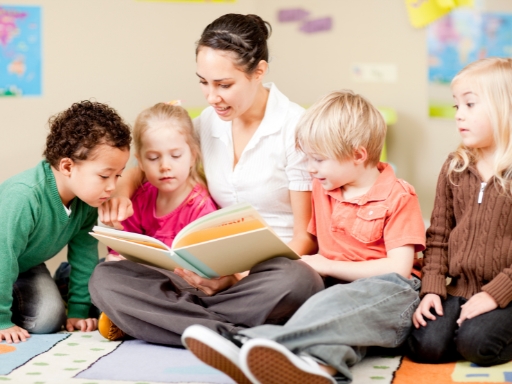
Reading together creates meaningful interaction between parents and children. During story time, children hear sentence patterns, learn new words, and begin understanding how stories are structured.
According to the American Academy of Pediatrics, children exposed to regular reading activities during early childhood show stronger language and literacy development by age five.
You do not need hours of structured instruction to make an impact. In many cases, fifteen minutes of reading before bed creates enough consistency to support early literacy growth.
What are the 6 Pre-reading Skills?
Pre-reading skills are the foundation children need before they begin reading independently. These early abilities help preschoolers understand language, recognize sounds, and develop comprehension.
1. Vocabulary Development
Vocabulary development is a child’s ability to understand and use words while communicating with others. It helps preschoolers express their thoughts, follow directions, and better understand stories and conversations.
You may notice vocabulary development when your preschooler:
- Name common objects, colors, and animals
- Asks questions about unfamiliar words
- Uses short sentences to share ideas or needs
- Describes actions, feelings, or experiences
- Repeats new words learned from books or conversations
2. Print Awareness
Print awareness is understanding that printed text has meaning and serves a purpose. This skill helps children recognize how books, signs, labels, and written words are used in everyday life.
You may notice print awareness when your preschooler:
- Holds books correctly during story time
- Turns pages from front to back
- Points to words while pretending to read
- Recognizes familiar signs, labels, or logos
- Understands that reading follows a left-to-right pattern
3. Letter Knowledge
Letter knowledge is the ability to recognize, identify, and name letters of the alphabet. It also helps children connect letters with sounds as they begin preparing for reading.
You may notice letter knowledge when your preschooler:
- Sings the alphabet song
- Recognizes letters in their own name
- Matches uppercase and lowercase letters
- Points out familiar letters on signs or packaging
- Correctly names some letters
4. Phonological Awareness
Phonological awareness is the ability to hear and recognize sound patterns in spoken language. This skill helps preschoolers notice rhymes, syllables, and beginning sounds in words.
You may notice phonological awareness when your preschooler:
- Recognizes rhyming words
- Claps syllables in simple words
- Identifies beginning sounds in words
- Enjoys rhymes and repetitive songs
- Plays with silly or made-up words
5. Narrative Skills
Narrative skills refer to a child’s ability to understand, organize, and talk about stories or events. These skills support communication, memory, and reading comprehension later in school.
You may notice narrative skill development when your preschooler:
- Retells parts of a favorite story
- Describes events from their day
- Predicts what may happen next in a book
- Talks about characters or story events
- Answers simple questions about stories
6. Motivation to Read
Motivation to read is a child’s interest and enthusiasm for books and reading activities. Children who enjoy reading experiences are more likely to stay engaged and build strong literacy habits over time.
You may notice reading motivation when your preschooler:
- Chooses books during free play
- Asks adults to read aloud
- Pretends to read independently
- Shows excitement during story time
- Looks through books without being prompted
Signs Your Preschooler Is Developing Strong Reading Skills
Reading readiness develops gradually, and every child progresses differently. Some common signs include:
- Recognizing familiar signs or logos
- Pretending to read books aloud
- Asking questions during story time
- Identifying rhyming words
- Showing interest in letters and sounds
Many preschoolers also memorize favorite stories and repeat them from memory. Although they may not read the words independently, this behavior still supports comprehension and storytelling skills.
Instead of comparing your child to others, focus on consistency and progress over time.
Common Reading Challenges Preschoolers Face
Some preschoolers become frustrated during reading activities, while others struggle to stay interested. These challenges are completely normal during early literacy development.
- Short Attention Spans
Young children often struggle to stay focused during long reading sessions. Shorter story times, interactive books, and movement-based activities can help keep preschoolers engaged without making reading feel overwhelming. - Difficulty Recognizing Sounds
Some preschoolers need more time to recognize rhyming words, syllables, and beginning sounds. Songs, rhyming games, and repeated exposure to language patterns can gradually strengthen sound recognition skills. - Lack of Interest in Books
Not every preschooler enjoys the same types of stories or reading activities. Many children become more interested in reading when books match their interests, such as animals, trucks, humor, or interactive stories with strong visuals. - Frustration During Reading Time
Too much pressure during reading activities can make children lose confidence or avoid books altogether. Keeping story time relaxed and encouraging helps preschoolers associate reading with enjoyment instead of stress.
Easy Daily Activities That Improve Reading
Reading development does not only happen during structured lessons or classroom activities. Many everyday routines can help preschoolers build important literacy skills in a natural and engaging way. Simple activities at home often create meaningful learning opportunities while keeping reading fun and pressure-free.
1. Reading Before Bed
Reading before bed creates a calm and consistent routine that helps children feel relaxed while building positive associations with books. Even a short bedtime story gives preschoolers regular exposure to language, sentence structure, and storytelling patterns.
Skills this activity improves in preschoolers:
- Vocabulary development
- Listening and comprehension skills
- Narrative and storytelling skills
- Motivation to read
- Attention and focus during reading activities
2. Singing Nursery Rhymes
Nursery rhymes and songs introduce children to rhythm, repetition, and sound patterns in language. Preschoolers often learn new words more easily through music because repetition helps them remember sounds and phrases.
Skills this activity improves in preschoolers:
- Phonological awareness
- Memory and recall
- Listening skills
- Vocabulary development
- Recognition of rhyming words and syllables
3. Labeling Household Objects
Labeling common household items helps children connect written words with real-life objects they see every day. Seeing labels regularly around the home introduces preschoolers to print in a simple and familiar environment.
Examples may include:
- Door
- Table
- Chair
- Toy box
Skills this activity improves in preschoolers:
- Print awareness
- Word recognition
- Letter recognition
- Vocabulary development
- Understanding that printed words carry meaning
4. Interactive Storytelling
Interactive storytelling encourages children to participate during reading instead of only listening quietly. Asking questions throughout the story helps preschoolers think critically, make predictions, and stay engaged.
Skills this activity improves in preschoolers:
- Reading comprehension
- Communication skills
- Critical thinking
- Memory and sequencing skills
- Narrative development
5. Visiting the Library Regularly
Library visits expose preschoolers to a wide variety of books, topics, and reading experiences. Allowing children to explore and choose books independently can increase excitement and curiosity around reading.
Skills this activity improves in preschoolers:
- Motivation to read
- Vocabulary development
- Print awareness
- Book handling skills
- Confidence choosing and exploring books
Creating a Reading-Friendly Home Environment
Children are more likely to develop strong reading habits when books feel like a natural part of everyday life instead of a structured task. A reading-friendly home environment helps preschoolers feel comfortable exploring books, asking questions, and building curiosity about language.
Even small changes around the home can encourage children to interact with books more often and view reading as something enjoyable. You can encourage literacy at home by:
- Creating a quiet reading corner
- Keeping books within easy reach
- Limiting distractions during reading time
- Rotating books regularly
- Letting children see adults reading
Children often imitate what they observe. When they regularly see adults reading, books become a familiar and valued part of their daily routine.
Choosing the Right Books for Preschool Readers
Choosing the right books can help preschoolers stay interested and engaged during reading time. Books that match a child’s learning style and personal interests often make reading feel more enjoyable and less frustrating.
- Books With Repetition
Repetitive stories help preschoolers recognize language patterns, remember phrases, and build confidence during reading activities. - Interactive Books
Lift-the-flap, sound, and touch-and-feel books encourage participation while keeping children actively engaged during story time. - Books With Strong Visuals
Books with colorful illustrations help preschoolers understand the story and stay focused even before they can recognize all the words independently. - Topic-Based Book Choices
Books based on a child’s interests, such as animals, trucks, or space, can increase excitement and motivation to read regularly.
Conclusion
Reading for preschool is about building strong literacy skills through simple and positive daily experiences. Activities like storytelling, nursery rhymes, and interactive conversations can help children develop confidence and a lasting interest in reading.
At Quality Interactive Montessori Preschool, we support early literacy through engaging, hands-on learning experiences designed to help preschoolers grow academically and socially. Contact our team today to learn more about our preschool programs.