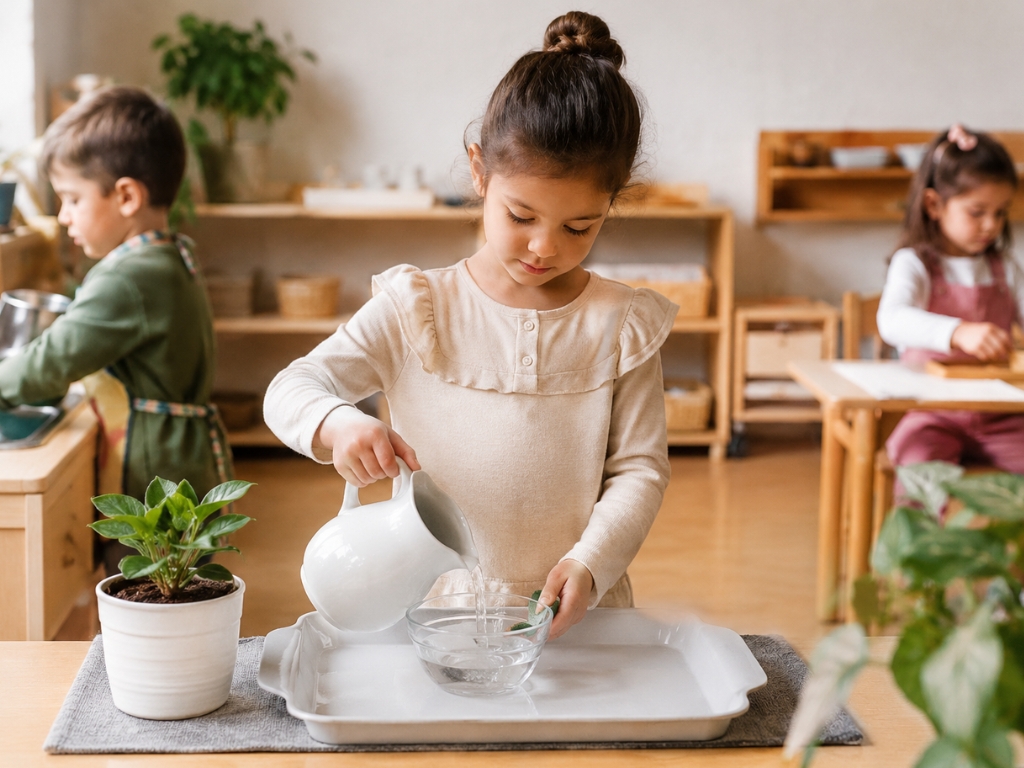

Many parents choose a preschool based on its academic curriculum, hoping their child will learn letters, numbers, and early reading skills before kindergarten. While these milestones are important, they are only one part of a child’s development.
Emotional intelligence, or the ability to understand, express, and manage emotions, plays an equally important role in preparing children for lifelong success.
Quality preschool child care gives children daily opportunities to build emotional skills alongside academic ones. Through supportive relationships, structured routines, and guided play, children learn how to navigate feelings, solve problems, and interact confidently with others.
What Is Emotional Intelligence in Early Childhood?
Emotional intelligence in early childhood is a child’s ability to recognise, understand, express, and manage emotions while recognising and responding appropriately to the emotions of others. It includes important social-emotional skills such as self-awareness, self-regulation, empathy, communication, and relationship building.
Rather than developing automatically, these abilities are shaped through everyday interactions with parents, caregivers, teachers, and peers, as well as through play, routines, and guided experiences.
As emotional intelligence grows, children become better equipped to manage frustration, solve problems, cooperate with others, adapt to new situations, and approach learning with confidence.
Understanding Emotional Intelligence
Young children develop emotional intelligence by learning to identify their emotions, express their feelings, and recognise emotions in others.
As these skills strengthen, they become better able to manage frustration, show empathy, cooperate with classmates, and build healthy relationships. These abilities also help children approach challenges with confidence and adapt more easily to new environments.
The preschool years are a critical time for this development because children are constantly learning through observation, play, and everyday interactions. Every conversation, group activity, and classroom experience shapes how they respond to success, disappointment, excitement, and conflict.
According to Harvard University’s Center on the Developing Child, strong social-emotional development during early childhood helps shape the brain, strengthens self-regulation, and supports school readiness, laying the groundwork for lifelong learning and overall well-being.
How Preschool Child Care Helps Build Emotional Intelligence
A quality preschool child care program intentionally creates opportunities for children to develop emotional skills throughout the day rather than treating them as separate lessons.
1 | Learning Through Daily Interactions
Teachers play an important role by modeling respectful communication, patience, and empathy. When disagreements occur, they guide children through conversations instead of simply solving problems for them. This helps children understand how to express emotions respectfully, listen to others, and resolve conflicts constructively.
2 | Structured Routines Create Emotional Security
Children thrive when they know what to expect. Predictable schedules for meals, learning activities, outdoor play, and rest provide a sense of stability that reduces anxiety. Feeling secure allows children to participate more confidently, take healthy risks, and develop greater independence throughout the day.
3 | Guided Play Encourages Emotional Growth
Play is one of the most effective ways children develop emotional intelligence. Cooperative games, dramatic play, storytelling, and group activities encourage children to practice sharing, taking turns, and understanding different perspectives. During these experiences, teachers can help children identify emotions and discuss appropriate ways to respond to various situations.
4 | Emotion Coaching Helps Children Manage Big Feelings
Young children often experience strong emotions but may not yet have the words or strategies to manage them. Quality preschool child care programs use emotion coaching to help children identify what they are feeling, understand why they feel that way, and choose appropriate ways to respond.
Instead of dismissing emotions, teachers acknowledge them and guide children toward calming strategies, helping them develop self-awareness, emotional regulation, and resilience over time.
5 | Positive Peer Relationships Build Empathy and Confidence
Daily interactions with classmates provide valuable opportunities for children to develop empathy, cooperation, and respect for others. Working together on projects, sharing materials, and participating in group activities teach children how to communicate effectively, appreciate different perspectives, and build friendships.
Signs a Preschool Child Care Program Supports Emotional Development
Not all preschool child care programs place the same emphasis on social-emotional learning. While academics are important, a high-quality program also creates an environment where children feel safe, supported, and encouraged to develop healthy emotional skills.
When touring a preschool, parents can look for these indicators that emotional development is a meaningful part of the daily experience:
- Teachers acknowledge children’s feelings and help them express emotions in healthy ways.
- Positive guidance is used to teach appropriate behaviour instead of relying on punishment.
- Children are encouraged to solve problems together through communication, cooperation, and compromise.
- Families are actively involved through regular communication and consistent support between home and school.
Why Emotional Intelligence Matters Before Academic Skills
Academic readiness depends on much more than recognizing letters and counting numbers. Children who can manage frustration, communicate their needs, and cooperate with others are often better prepared to participate in classroom activities and adapt to new learning experiences.
When children feel emotionally secure, they are more likely to ask questions, persevere through challenges, and recover from mistakes without becoming discouraged. They also tend to build stronger friendships, work more effectively in groups, and develop confidence that supports future learning.
This is why high-quality preschool child care focuses on developing the whole child. Emotional intelligence complements academic instruction, helping children become curious learners, thoughtful classmates, and resilient individuals who are prepared for kindergarten and beyond.
Help Your Child Grow With Outer Limits School
At Outer Limits School, we believe that preparing children for the future means nurturing both their minds and their hearts. Our preschool child care program combines engaging early learning experiences with a strong focus on social-emotional development, helping children build confidence, empathy, resilience, and the communication skills they need to thrive in school and beyond.
Contact us today to learn more about our preschool child care programs or schedule a tour to see how we create a caring environment where every child can learn, grow, and succeed.