Young children feel everything deeply. A small disappointment can feel like a big loss. A change in routine can feel overwhelming. A simple disagreement can turn into tears in seconds.
For parents and teachers, these moments can feel exhausting. But they’re also incredibly meaningful. They show us where a child’s emotional skills are still developing.
At the heart of these moments is emotional regulation. When children learn how to manage their emotions, they build the foundation for healthy social emotional development. This foundation affects how they form relationships, how they learn, and how they handle challenges, not just now, but throughout their lives.
What Is Social Emotional Development?
Social emotional development is the process through which children learn to understand themselves and relate to others. It includes how they recognize emotions, express feelings, communicate needs, and interact socially.
In early childhood, this development is less about “good behavior” and more about emotional understanding. Children are learning what emotions feel like, where they come from, and how those emotions influence their actions.
When social emotional development is supported, children feel safer navigating the world. They are more willing to try new things, more open to connection, and more capable of handling setbacks.
When it’s unsupported, children may struggle with frustration, impulse control, or peer relationships, not because they are unwilling, but because they are still learning.
Why Emotional Regulation Matters So Much
Emotional regulation is the ability to notice emotions and respond to them in a manageable way. It doesn’t mean staying calm all the time. It means learning how to pause, recover, and move forward.
For young children, emotional regulation is still developing neurologically. The brain systems responsible for impulse control and emotional balance are not fully formed yet. That means children rely on adults to help guide and model regulation.
When a child melts down, they are not choosing to be difficult. They are experiencing more emotion than they know how to handle. Each calm, supportive response from an adult teaches the child what regulation looks like.
Over time, those experiences add up. Children begin to internalize strategies for calming down, expressing themselves, and engaging socially. This is when social emotional development really starts to take shape.
What Are the 5 Components of Social-Emotional Development?
Social emotional development is often described through five interconnected components. These skills develop together over time, and emotional regulation supports each one in meaningful ways.
- Self-awareness
This is where social emotional development begins. Children first learn to recognize what they are feeling and give those emotions a name. When a child can identify feelings like anger, sadness, excitement, or fear, those emotions feel less overwhelming. Naming emotions gives children clarity and a sense of control, which makes it easier for them to respond rather than react.
- Self-management
Once children recognize their emotions, they begin learning how to handle them. Self-management includes calming down, waiting for a turn, following directions, and coping with frustration. These skills develop gradually and require repeated practice. Children learn self-management best through predictable routines and calm adult modeling, especially during emotionally charged moments.
- Social Awareness
Social awareness allows children to notice and understand the emotions of others. When children can regulate their own feelings, they are better able to recognize when a peer is upset or needs support. This is where empathy begins to grow. Emotional regulation creates enough internal calm for children to look beyond themselves.
- Relationship Skills
Relationship skills help children communicate, cooperate, and resolve conflicts with others. Emotional regulation plays a key role here. When children can manage strong emotions, they are more likely to stay engaged during disagreements instead of reacting impulsively. With adult guidance, children learn that conflicts can be repaired and relationships can remain strong.
- Responsible Decision-making
Responsible decision-making ties all of these skills together. When children are emotionally regulated, they make clearer choices and think more carefully before acting. They begin to understand consequences and consider how their actions affect others. These skills develop slowly through supportive conversations, reflection, and consistent guidance.
How Emotional Regulation Develops in Early Childhood
Emotional regulation develops through experience, not instruction alone. In early childhood, adults play a critical role through a process called co-regulation. This means helping children calm down before expecting them to self-regulate.
When a caregiver responds calmly to a child’s distress, the child’s nervous system learns what calm feels like. Over time, children begin to recreate that calm on their own.
This development doesn’t happen in a straight line. Children may seem regulated one day and overwhelmed the next. Changes in routine, environment, or expectations can temporarily disrupt regulation. These moments are normal and signal a need for additional support, not correction.
Supporting Emotional Regulation at Home
Supporting emotional regulation at home doesn’t require special programs or complicated strategies. What matters most is how you respond to your child’s emotions in everyday moments.
- Acknowledge emotions before correcting behavior. When you validate how your child feels, they calm more quickly and become more open to guidance.
- Model healthy emotional responses. Naming your own emotions and showing how you cope teaches regulation in real time.
- Keep routines predictable. Consistent daily rhythms help children feel secure and emotionally balanced.
- Teach calming strategies during calm moments. Simple tools like breathing or taking space are easier to use when practiced ahead of time.
Supporting Social Emotional Development in the Classroom
The classroom is one of the most powerful places for strengthening social emotional development. Every interaction, transition, and challenge gives children a chance to practice emotional regulation in real time.
- Create emotionally safe spaces. When children know their feelings will be acknowledged, they are more willing to work through challenges instead of shutting down or acting out.
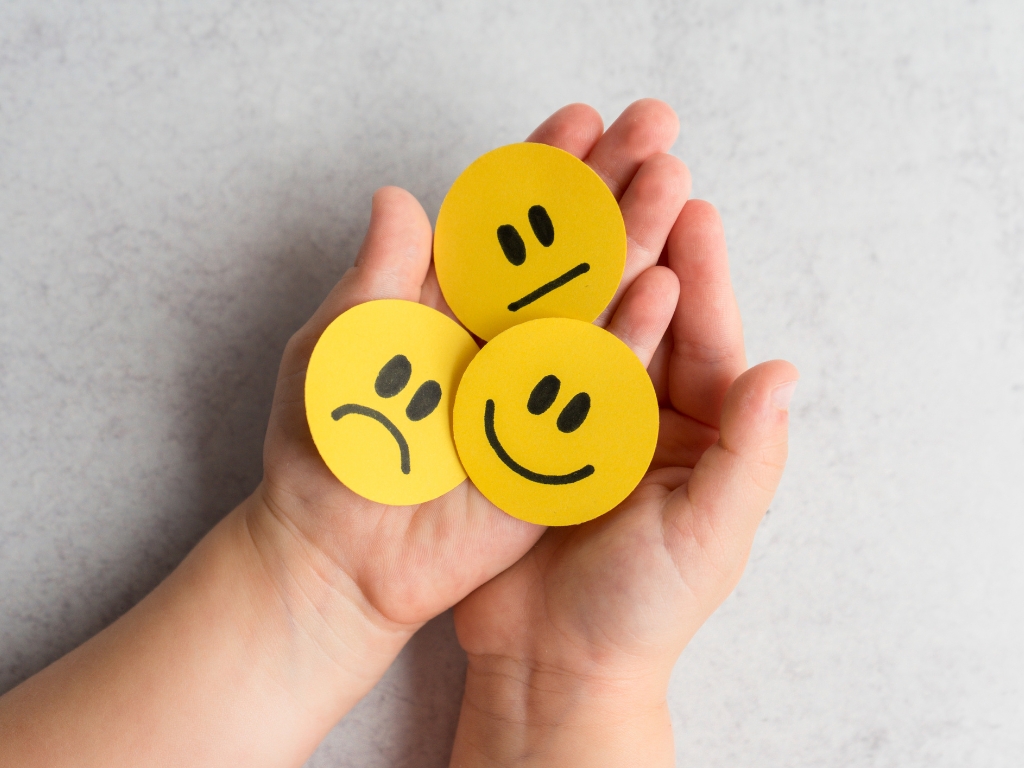
- Use structured emotional check-ins. Regular opportunities to name feelings help children build awareness and normalize emotional expression.
- Guide conflict resolution instead of solving it. Coaching children through disagreements teaches regulation, communication, and repair.
- Stay consistent with home expectations. When children receive similar emotional support across environments, their social emotional development strengthens more quickly.
- Model calm, regulated responses throughout the day. Children closely observe how adults handle stress, frustration, and unexpected changes, and they use those examples to shape their own emotional responses.
The Long-Term Impact of Emotional Regulation
Strong emotional regulation in early childhood supports lifelong skills. Children who develop these abilities early tend to handle stress more effectively, build healthier relationships, and adapt more easily to change.
Social emotional development influences academic engagement, mental health, and overall well-being. It shapes how children approach challenges and how they view themselves.
These skills don’t fade with age. They evolve.
Final Thoughts for Parents and Teachers
Emotional regulation is not about controlling children’s emotions. It’s about teaching children that emotions are understandable and manageable.
Every emotional moment is an opportunity to guide rather than correct. Over time, those moments build resilience, confidence, and connection. When emotional regulation is supported, social emotional development thrives.
If you’re looking for a learning environment that intentionally nurtures social emotional development alongside academic growth, Quality Interactive Anthem Montessori is here to support your child’s journey. Contact our team today!