
When you’re looking at preschools in Tucson, you’re probably thinking about more than just the classroom setup or the outdoor space. What really matters is how your child will be cared for in everyday moments, like when they need help using the bathroom, when it’s time to rest, or when they’re upset during drop-off.
Let’s talk about how most Tucson preschools handle these common situations, so you know what to expect.
Potty Training Support: What to Expect
Some kids start preschool fully potty trained. Others are still figuring it out. Either way, preschools see this every day.
Common Practices
- Flexible Enrollment
Many preschools accept children in diapers or pull-ups. Especially in toddler programs, readiness isn’t a strict requirement.
- Routine and Reminders
Teachers build bathroom breaks into the daily schedule. They gently remind children and take them in small groups.
- Communication with Parents
Schools often ask you to share your child’s habits, such as how they signal, how often they go, and what words they use.
- Clean and Child-sized Restrooms
Classrooms are equipped with low sinks and toilets. Teachers assist as needed without making kids feel rushed or embarrassed.
- Accident Response
If an accident happens, staff clean up calmly and discreetly. Children change into clean clothes and return to their activities.
What You Can Do
- Pack two extra sets of clothes, socks, and underwear in your child’s cubby.
- Let teachers know if you’re using pull-ups, training underwear, or going without.
- Stay consistent at home—kids learn faster when expectations don’t change.
Potty training isn’t one-size-fits-all. Look for a preschool that offers structure without pressure and supports your child’s pace.
Nap Time: Quiet, Restful, and Respectful
Preschoolers need rest. Naps help children recharge, process their day, and avoid late-afternoon meltdowns.
Typical Nap Policies
- Daily Quiet Time
Most full-day programs include a nap after lunch. For children over 4, some schools switch to “rest time” instead of sleep.
- Comfortable Setup
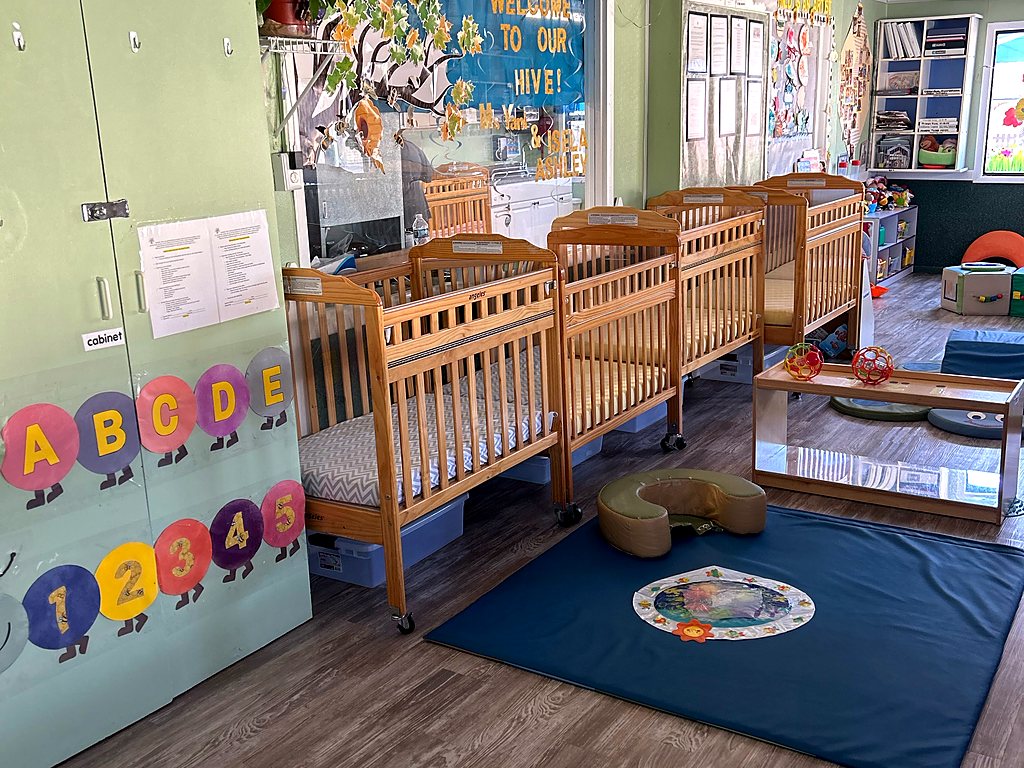
Kids nap on mats or cots. You’ll bring a small blanket, maybe a pillow or stuffed toy. Schools sanitize bedding weekly or ask you to take it home on Fridays.
- Relaxing Atmosphere
Teachers turn off the lights, play white noise or soft music, and lower their voices. Many read a book to help kids settle down.
- No Forced Sleep
Children who don’t sleep are allowed to rest quietly, draw, or look at books. They’re not scolded or isolated.
What You Can Do
- Set a similar nap or quiet time at home on weekends.
- Avoid sugary snacks or screen time right before school.
- Ask if your child napped during the day—it can help plan your evening routine.
Napping at school may take some adjustment, but kids tend to follow the group over time. A calm routine, consistent every day, helps the whole class relax.
Separation Anxiety: Building Trust from Day One
Tears at drop-off are normal. Many kids, even those who seem independent, struggle when saying goodbye in a new environment. The way a preschool handles separation anxiety makes a big difference in how your child transitions.
Effective Strategies
- Predictable Routines
Kids feel safe when they know what’s next. Preschools keep the daily rhythm consistent from day one.
- Warm Teacher Greetings
Staff welcome children by name, offer hugs or hand-holding, and help them engage in activities right away.
- Visual Aids and Timers
Teachers may use picture schedules or sand timers to help younger children understand when they’ll return.
- Calm but Firm Boundaries
You’re encouraged not to linger. Teachers gently guide kids away from the door and toward the group.
- Follow-up Updates
Some schools send you a photo once your child is calm or give a quick call to reassure you they’re adjusting.
What You Can Do
- Keep your goodbye short. Say, “I love you, I’ll be back after nap,” and then leave.
- Avoid sneaking away. This can damage trust.
- Stay positive when talking about school. Kids pick up on your emotions.
If drop-off struggles continue beyond two to three weeks, talk to the teacher. Together, you can adjust your approach or come up with a strategy just for your child.
What to Ask During a Preschool Tour
When touring preschools in Tucson, don’t stop at the classroom layout or teacher bios. Ask about the real-life scenarios your child will face. Here are a few questions to guide you:
About Potty Training
- How do you support kids who are still learning to use the toilet?
- Are diapers or pull-ups allowed in any age group?
- Do teachers help with wiping or accidents?
- How often do kids get bathroom reminders?
- What supplies do I need to send for potty training?
About Nap Time
- Do all children nap? What if my child doesn’t sleep?
- How long is nap time, and is it the same every day?
- Can my child bring a blanket or comfort item from home?
- What happens if my child wakes up early?
- How do teachers help kids settle down if they’re restless?
About Separation Anxiety
- How do you help new students adjust to drop-off?
- Do you allow gradual transitions or parent stay-ins at the beginning?
- What’s your approach when a child cries at drop-off?
- Will you update me during the day if my child is upset?
- How long does it usually take for kids to settle in?
You can also ask to observe the classroom during arrival or nap time. Watch how teachers comfort, guide, and encourage children. You’ll learn a lot by seeing it happen.
Why These Details Matter
Your child may not tell you everything about their day, but their body and mood will.
- Are they coming home anxious or relaxed?
- Are they having accidents because they’re afraid to ask for help?
- Are they sleeping better at night after a full, secure day?
These signals matter. When preschools in Tucson respond to emotional needs with empathy and structure, kids learn to trust, rest, and grow.
You’re not just dropping off your child. You’re trusting someone to guide them through challenges, one small moment at a time.
Looking Ahead
Starting preschool is a big step for your child and for you. The first few weeks might bring setbacks or resistance. But with the right support, kids adapt.
Look for a preschool that:
- Supports your child’s stage of potty training
- Makes nap time calm and optional
- Treats separation anxiety as part of growing, not as misbehavior
At Outer Limits School, we believe these everyday experiences are where confidence begins. If you want to learn more about how we support young children, we’d love to connect. Schedule a tour or speak with our preschool team today.