
Some children walk into new spaces ready to talk, play, and jump right in. Others hang back, observe, and take their time.
If your child is quiet or takes time to warm up, starting preschool can bring a lot of questions. You might wonder if they’ll speak up. You might worry they’ll get overlooked. You might even question whether now is the right time.
Here’s the reassurance many parents need to hear: reserved children can do very well in the right preschool in Tucson. Confidence doesn’t come from forcing participation. It grows when children feel safe, understood, and respected.
What It Really Means to Be a Reserved Child
Being reserved isn’t a problem to fix. It’s a temperament. Many quiet children are thoughtful observers. They like to understand what’s happening before stepping in. They may speak less in groups but communicate clearly once they feel comfortable.
Unfortunately, this often gets mistaken for a lack of readiness, when in reality, it’s just a different way of engaging with the world.
A strong preschool in Tucson recognizes this and adjusts expectations accordingly. Teachers who understand child development know that confidence looks different for every child.
Why Preschool Can Actually Help Build Confidence
Young children rely on predictability to feel safe. When a child knows what the day will look like—what happens after drop-off, when snack time comes, where they go after playtime—their brain doesn’t have to work as hard to process uncertainty. That sense of “I know what’s next” reduces stress, especially for reserved children who already take time to feel comfortable in new situations.
Seeing the same teachers and classmates every day also matters. Familiar faces build trust. Over time, a child begins to recognize voices, routines, and expectations. Once that trust is in place, they’re more willing to explore, engage, and take small social risks.
Big, sudden changes often feel overwhelming for reserved children. Gradual exposure within a consistent routine allows confidence to build naturally. When children move at their own pace, they’re more likely to engage willingly and that confidence tends to last.
How Teachers Make a Difference
In a quality preschool in Tucson, teachers don’t rush children into participation. They watch closely, learn each child’s cues, and respond with patience.
Instead of calling attention to a quiet child, a teacher might sit nearby during play, offering support without pressure. They may give choices rather than commands.
Over time, that consistency builds trust.nOnce trust is there, confidence often shows up naturally.
Why Classroom Environment Matters
Reserved children often take in more than they show. In loud or unpredictable environments, their energy goes toward coping rather than learning.
When a classroom feels chaotic, these children may withdraw, not because they aren’t capable, but because they’re trying to protect their sense of safety.
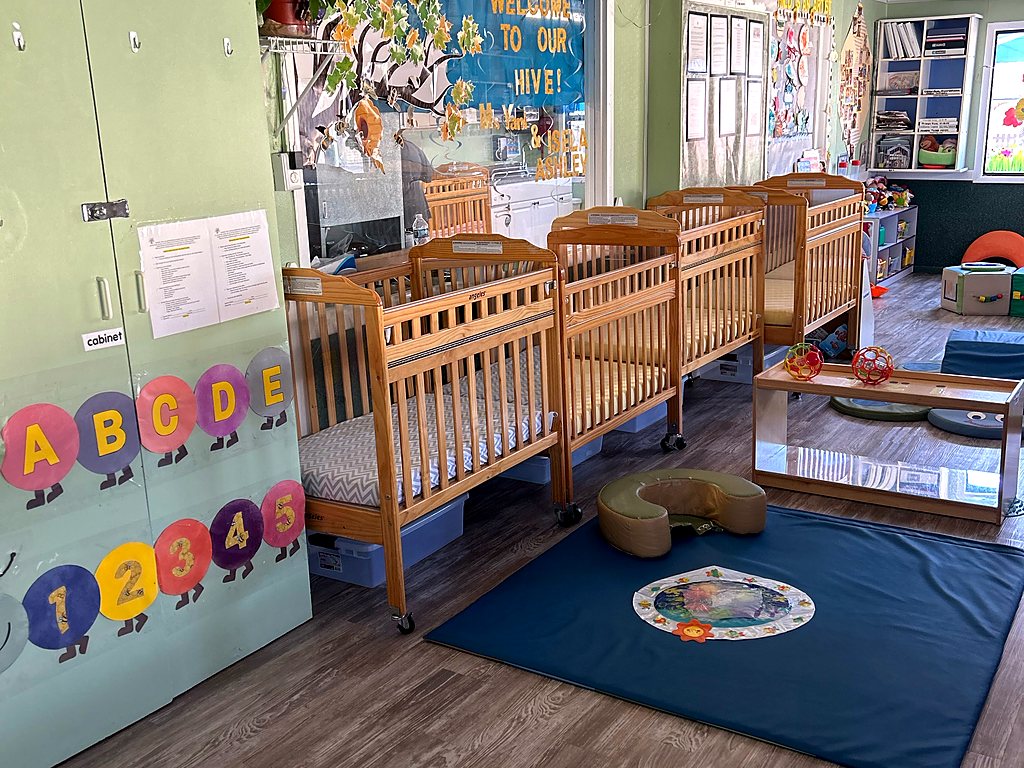
Calm, well-organized classrooms reduce that mental load. Simple layouts help children understand where activities happen and where materials belong. Clear routines remove guesswork from the day. Smaller group activities give children space to engage without the pressure of performing in front of everyone at once.
Social Growth Without Pressure
One of the biggest concerns parents have is whether their child will make friends. The truth is, friendships don’t always start with conversation. Sometimes they begin by playing near someone, sharing materials, or following the same routine.
Good preschool teachers understand this. They don’t force social interaction. Instead, they create opportunities where connection can happen naturally. Over time, even the most reserved children begin to engage, often in quiet but meaningful ways.
Supporting Transitions and Separation
For many reserved children, separation from a parent is the hardest part of preschool. This doesn’t mean preschool isn’t right for them. It means they need a little extra care during transitions.
Many preschool in Tucson programs support this by keeping drop-off routines consistent and offering reassurance without prolonging the goodbye. When children know what to expect, they adjust more quickly. Predictability builds trust, and trust makes separation easier.
How You Can Help at Home
What happens at home plays a big role in how confident your child feels at preschool. Children often pick up on your tone, reactions, and expectations, even when you don’t realize it.
- Speak positively about preschool.
When you talk about preschool with calm confidence, your child is more likely to feel safe and optimistic about their experience. - Keep routines consistent.
Predictable morning and evening routines help children feel grounded, which makes transitions to preschool easier. - Avoid labeling your child.
Calling a child “shy” can make them feel defined by that trait rather than supported as they grow and change. - Ask pressure-free questions.
Open-ended questions like “What felt comfortable today?” encourage reflection without making children feel evaluated.
When children feel accepted at home, they’re more willing to take small social risks at preschool. That sense of emotional safety is what allows confidence to develop naturally.
Noticing Progress, Even When It’s Subtle
Growth doesn’t always show up in big, obvious ways, especially with reserved children. You may not see sudden bursts of talking or instant friendships, and that’s okay.
Instead, pay attention to the small shifts. You might notice your child mentioning classmates by name, sharing more details about their day, or moving through daily routines with less hesitation. These moments matter. They’re signs that your child is feeling more comfortable and secure.
Even if your child remains quiet in group settings, confidence can still be growing beneath the surface. Those quiet gains often lead to lasting confidence over time.
Final Thoughts
Your child doesn’t need to become someone else to succeed in preschool. They need space to grow at their own pace. When children feel safe being themselves, confidence follows naturally and steadily.
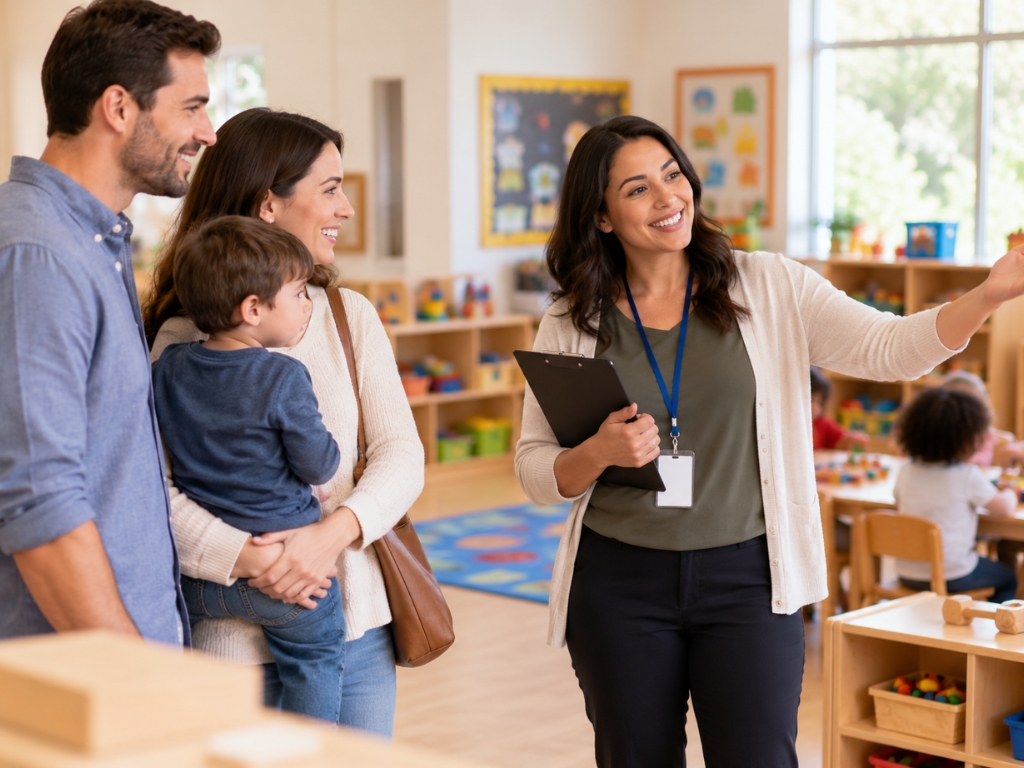
At Old Spanish Trail School, confidence is built through trust, patience, and consistent care, not pressure. Schedule a tour today and see the difference for yourself.