
When parents ask about behavior in preschool, they’re usually expecting a simple answer: rules, consequences, maybe a reward system. That’s what most people are used to.
A Montessori teacher works from a different starting point.
Instead of asking, “How do I stop this behavior?” they ask, “What is causing this behavior and what skill is missing?” That question changes how everything is handled inside the classroom. It shifts the focus from short-term control to long-term development.
This is why Montessori behavior strategies can feel quieter, but often produce stronger results over time.
What Does a Montessori Teacher Do?
A Montessori teacher is constantly observing, but not in a passive way. They are watching for patterns that most adults miss, like when your child loses focus, when frustration starts to build, or when a task becomes too easy to stay engaged.
From there, they make small but intentional adjustments. Sometimes that means introducing a new activity at the right moment. Other times, it means stepping back and allowing your child to work through something instead of interrupting too early.
What stands out is that the teacher is not trying to control every moment. They are trying to prepare your child to handle those moments on their own.
Why Montessori Behavior Strategies Work Differently
Most behavior systems are built around immediate results. A child does something wrong, and the adult responds right away with a consequence or correction.
That can stop the behavior temporarily. But it doesn’t always teach the child what to do next time.
A Montessori teacher approaches this differently by looking at what the child is capable of at that moment. If a child keeps interrupting, for example, the issue may not be defiance. It may be that the child hasn’t developed the ability to wait yet.
Instead of repeating the same correction, the teacher starts building that skill in smaller, more manageable ways. This is what many parents don’t see right away. Montessori is not ignoring behavior; it’s working underneath it.
The teacher is trying to close the gap between what your child is being asked to do and what they are actually ready to do. When that gap gets smaller, behavior improves without constant reminders.
Positive Behavior Strategies
In a Montessori classroom, behavior is shaped more by design than by reaction. The teacher creates conditions where positive behavior becomes easier and negative behavior becomes less likely.
1 | Prepared Environment
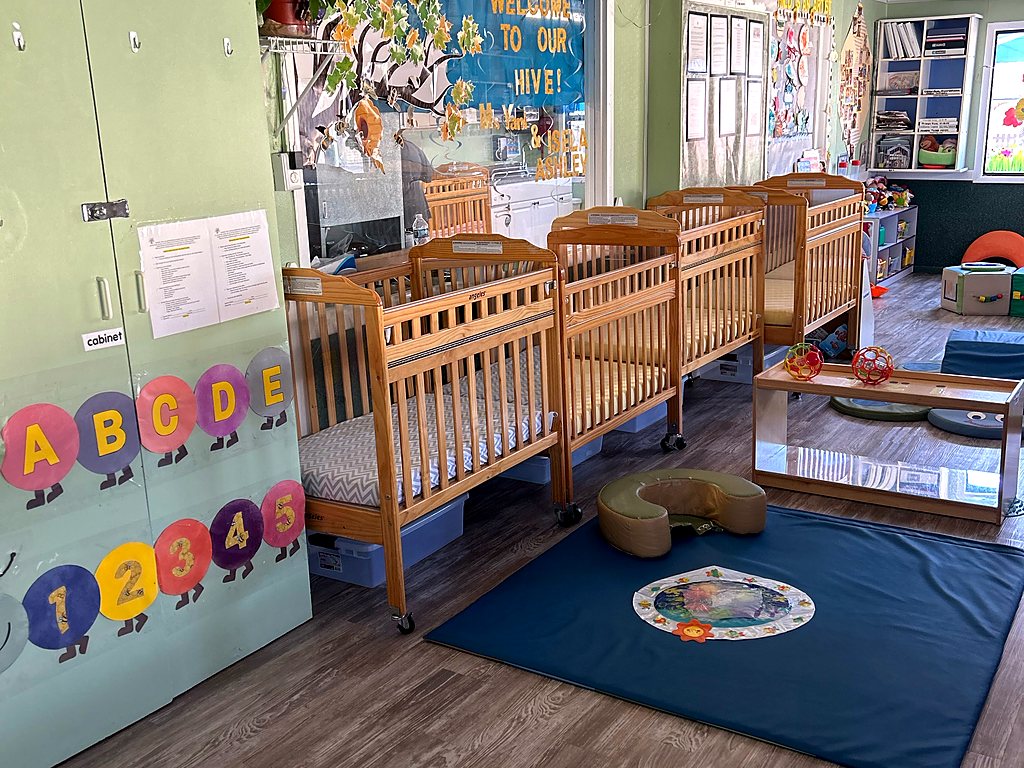
One of the most effective positive behavior strategies is the prepared environment. Everything is arranged to reduce confusion and frustration.
Materials are organized, accessible, and matched to the child’s level. There is a clear place for everything, and children are shown how to use and return items properly. This sense of order supports focus and helps prevent the kind of overstimulation that often leads to acting out.
2 | Protected Concentration
Another key strategy is protecting concentration. A Montessori teacher understands that when a child is deeply engaged in meaningful work, many behavior issues decrease on their own.
Interruptions, impulsive actions, and conflicts tend to happen less often when a child is focused. That is why teachers do not rush to step in unless it is necessary. They know that sustained attention helps build self-control.
3 | Purposeful Redirection
Redirection is also used as a positive behavior strategy, but it is done with a purpose. Instead of simply distracting a child, the teacher guides them toward something meaningful.
A restless child might be introduced to a hands-on task that channels movement productively. A frustrated child might be given work they can complete successfully to rebuild confidence. The goal is to help the child return to a more regulated and productive state.
4 | Consistent Limits
Positive behavior in Montessori also depends on calm, consistent limits. A Montessori teacher does not rely on raised voices or repeated warnings. If a boundary is crossed, the response is steady and predictable.
Over time, children learn that expectations stay the same and are not based on the adult’s mood. That consistency helps them feel secure and makes it easier for them to adjust their behavior.
5 | Natural Consequences
Natural consequences are another important strategy. Instead of punishing mistakes, Montessori teachers use real-life outcomes to teach responsibility.
If something is spilled, it gets cleaned up. If materials are used carelessly, they are reintroduced with guidance. This helps children connect actions with outcomes in a way that feels fair, clear, and respectful.
What This Means for You as a Parent
You may not see dramatic discipline moments when you walk into a Montessori classroom. What you’re more likely to notice is how smoothly things run without constant intervention.
Children who are guided by a Montessori teacher tend to develop habits that show up in small ways. They may start finishing tasks they began. They may handle frustration with less intensity. They may need fewer reminders for basic routines.
These changes don’t come from strict discipline. They come from repeated exposure to an environment that expects and supports independence.
Why This Approach Matters Long-Term
It’s possible to get quick compliance from young children. What’s harder and more valuable is helping them develop self-control that lasts.
A Montessori teacher is focused on what your child can do without someone standing over them. Can they pause before reacting? Can they recover from frustration? Can they stay engaged even when something is challenging? Those are the skills that carry into elementary school, friendships, and everyday life.
At Quality Interactive Anthem Montessori, behavior is not treated as something to manage in the moment. It’s treated as something to build over time, so your child learns how to think, respond, and act with more independence in any environment they step into.