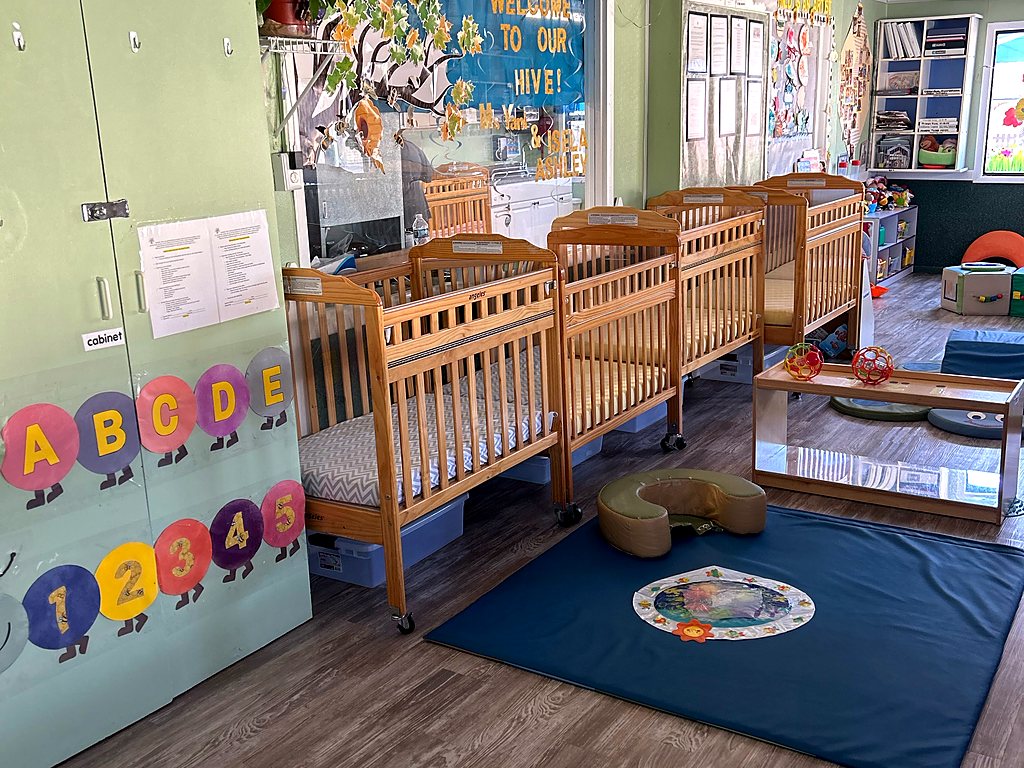

Choosing an infant care program is a big decision. You want more than a safe place; you want caregivers you trust and an environment where your baby can thrive.
So what should you focus on as a parent? Here’s a clear, practical guide to help you evaluate infant care programs with confidence.
Safety Comes First
You can’t compromise on safety. If a facility doesn’t meet your standards here, it’s not worth considering.
Key things to check:
- Licensing and accreditation: Is the center licensed by the state? Do they meet local regulations?
- Staff-to-infant ratios: Look for low ratios. Ideally, one caregiver for every 3–4 infants.
- Emergency procedures: Ask about fire drills, lockdown plans, and first-aid training.
- Cleanliness: Are diaper changing stations sanitized after each use? Are the feeding areas clean?
- Security: Is there a secure check-in/check-out system? Are all exits monitored?
If you feel unsure about any of these, ask to see their protocols in writing.
Caregiver Qualifications Matter
Your baby’s caregivers will play a big role in their development during this stage. Look for caregivers who:
- Have infant-specific training or early childhood education experience
- Know how to handle feeding, sleep, and soothing routines
- Show calm, responsive behavior, especially during moments of distress
- Stay present and engaged instead of relying on swings or screens
- Have CPR and first aid certifications specific to infants
Don’t hesitate to ask about turnover rates. If caregivers don’t stay long, your child may struggle to build secure attachments.
Routines That Support Healthy Development
Infants thrive on predictable routines. A consistent daily rhythm helps regulate their feeding, sleeping, and emotional cycles, making them feel secure and supported.
Ask about the program’s daily schedule. Is there a healthy balance between playtime, naps, and feeding throughout the day?
Also, look for individualized care. Are nap and feeding times adjusted to fit your baby’s natural rhythm, or do they follow a strict group schedule?
Don’t forget to ask about sleep practices. A quality program should follow safe sleep guidelines from the American Academy of Pediatrics, including placing babies on their backs and using firm mattresses without loose bedding.
Clean, Stimulating Environment
Infant rooms should be clean, calm, and set up for interaction, not overstimulation. Look for spaces with:
- Age-appropriate toys made from safe materials
- Separate areas for sleeping, feeding, and diapering
- Visuals placed at the baby’s eye level
- Soft surfaces for crawling and rolling
- Limited use of high chairs, bouncers, or swings
A quality program builds an environment that encourages exploration without overwhelming your baby.
Responsive Communication with Parents
Clear, ongoing communication between parents and caregivers builds trust. You should always know how your baby is doing and feel comfortable reaching out when you have questions or concerns.
Look for a program that provides daily updates about feedings, diaper changes, naps, and activities. Caregivers should also notify you right away if your baby is sick, upset, or needs special attention. The program should welcome your feedback and be open to conversation.
Finally, check that the center has clear policies around holidays, sick days, and unexpected closures. Some centers even use apps that send real-time updates and photos, so you can stay connected without making a call.
Opportunities for Social and Emotional Growth
Even though your baby may not “socialize” like an older child, those early interactions still matter. A strong infant care program will:
- Foster one-on-one bonding with a caregiver
- Model eye contact, gentle speech, and positive touch
- Encourage parallel play with other infants
- Respond quickly to emotional needs
- Use soothing techniques like swaddling, rocking, and gentle sounds
Ask how the center helps babies build secure attachments. This builds the foundation for emotional resilience later in life.
Language and Cognitive Stimulation
The brain develops rapidly in the first year. Caregivers should be intentional about language exposure and sensory experiences. Look for programs that offer:
- Singing, storytelling, and talking throughout the day
- Soft music and books for auditory and visual development
- Toys that encourage grasping, shaking, or cause-and-effect play
- Opportunities to touch different textures
- Face-to-face interactions during feedings and diaper changes
These little moments help wire the brain for communication, problem-solving, and memory.
A Calm, Respectful Atmosphere
You should feel calm when you walk into the room. The babies should, too. Notice:
- How the staff talk to each other and to the children
- Whether babies look relaxed or overstimulated
- The overall noise level—infant rooms shouldn’t feel chaotic
- If transitions (like from play to nap) happen smoothly
- If caregivers seem rushed or attentive
Trust your instincts. If something feels “off,” it probably is.
Flexibility That Supports Your Family
Your family has its own schedule and values. The right infant care program should respect that.
Look for flexible drop-off and pick-up times, part-time or full-time options, and openness to dietary or cultural needs.
Check that their policies on sick days, holidays, and vacations are clear and reasonable.
You should also expect open communication when your routine changes. If the program isn’t flexible, it may cause more stress than support.
Transparent Policies and Parent Involvement
Programs with clear policies usually run more smoothly—and they respect your time and expectations. Ask for written copies of:
- Sick child policies
- Tuition and payment schedule
- Emergency procedures
- Pick-up authorizations
- Policies on feeding, nap, and diapering practices
Also, check if they invite parental involvement. Some programs offer parent-teacher conferences, special events, or volunteer opportunities.
Final Questions to Ask Before You Decide
Bring a checklist when you visit the center. Here are questions that can help:
- What’s your caregiver-to-infant ratio?
- How do you handle feeding schedules?
- How do you respond to a crying baby?
- What’s your nap policy?
- What’s your illness policy?
- Do you follow safe sleep guidelines?
- How do you update parents during the day?
- Are your staff CPR and first-aid certified?
Take notes and compare answers across different programs. Trust what you see—not just what you hear.
Bottom Line
An infant care program should feel like an extension of your home—safe, supportive, and focused on your baby’s development.
If you’re considering enrolling in an infant care program near you, take your time. Visit a few places, ask detailed questions, and trust your instincts.
At Small Miracles Education, we focus on creating a safe, nurturing space where your baby can grow, explore, and feel secure. Our caregivers provide individualized attention and open communication, so you always feel connected and confident in your child’s care.
Schedule a visit today and see how we support your child’s early development every step of the way.