
If you’re getting ready to send your child to pre-kindergarten, you might be wondering what their classroom will actually look like.
The good news is that today’s Pre-K spaces are very different from the ones many of us grew up in. Teachers are rethinking design, technology, and daily routines to create environments where kids feel excited to learn.
Here’s a closer look at what’s happening inside modern pre-kindergarten classrooms in 2025 and why parents love these changes.
Spaces That Move With Kids
Gone are the rows of desks. Classrooms now have flexible areas that adapt to different activities. One corner might be filled with cushions for kids who want to curl up with a book. Another has tables where small groups can work together. The open floor is perfect for music, movement, or circle time.
This setup gives kids choices. Some children thrive in active play, while others need quiet space. A flexible classroom makes both possible.
Technology With a Purpose
You’ll still see blocks, crayons, and finger paint, but you’ll also notice smart technology being used in ways that fit early learning.
Interactive boards let teachers walk kids through group lessons. Tablets come out for short, guided activities that build math or literacy skills.
And here’s something parents really appreciate: many classrooms now use apps to share updates. You can see what your child worked on during the day without waiting for a parent-teacher meeting.
A Touch of Nature Indoors
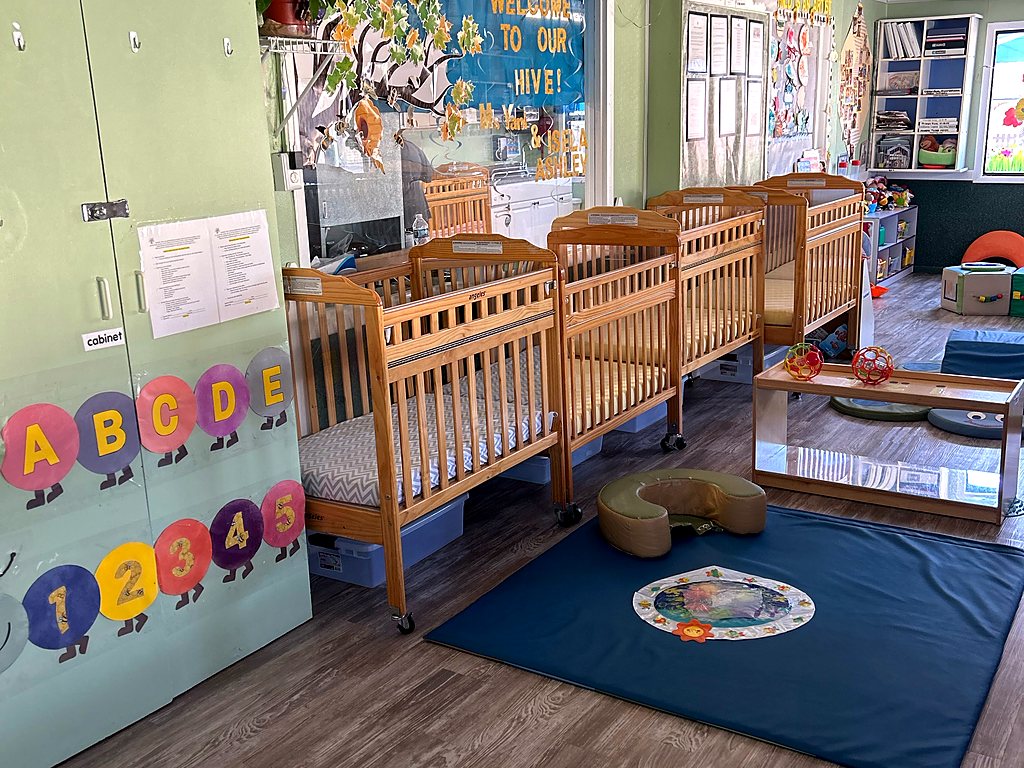
Teachers know that kids relax and focus better when their environment feels warm and welcoming. That’s why many classrooms are bringing in natural elements. Think wooden furniture instead of plastic, potted plants on windowsills, and large windows that let in plenty of natural light.
Some schools even extend the classroom outdoors, using gardens or play areas as part of the learning routine. It gives kids the chance to explore while still being connected to their lessons.
Building Emotional Skills Early
Pre-kindergarten isn’t just about learning letters and numbers. Teachers are just as focused on social and emotional growth. Many classrooms now have calm-down corners: quiet spots with soft chairs, stress toys, or books where kids can go if they feel overwhelmed.
You’ll also see visual charts that help children identify their emotions. Group activities encourage teamwork and empathy. These tools make school feel safe while giving kids lifelong skills in handling their feelings.
Designed for Every Child
Classrooms are more inclusive than ever. Furniture is child-sized but adjustable. Visual schedules help children who learn best with pictures. The overall room design is kept simple so kids can focus without too many distractions.
Parents can feel reassured knowing the classroom is set up to support different learning needs. No child is left behind in these spaces.
Hands-On Exploration Everywhere
If you peek into a modern classroom, you’ll probably notice activity centers buzzing with energy. There might be an art station stocked with paints and markers, a STEM corner filled with blocks and puzzles, or a dramatic play area with costumes and pretend kitchens.
Then there are sensory tables: sand, water, or textured materials that let kids explore through touch. These stations keep children engaged while teaching them problem-solving and creativity in the most natural way possible through play.
Staying Connected With Parents
One of the biggest changes parents notice is how involved they can be, even from a distance. Teachers now use apps to post daily photos and notes, so you know exactly what your child did that day.
Some schools send weekly updates with highlights and goals, and many encourage family visits or classroom events. That constant connection helps parents feel like partners in their child’s education.
What This Means for You
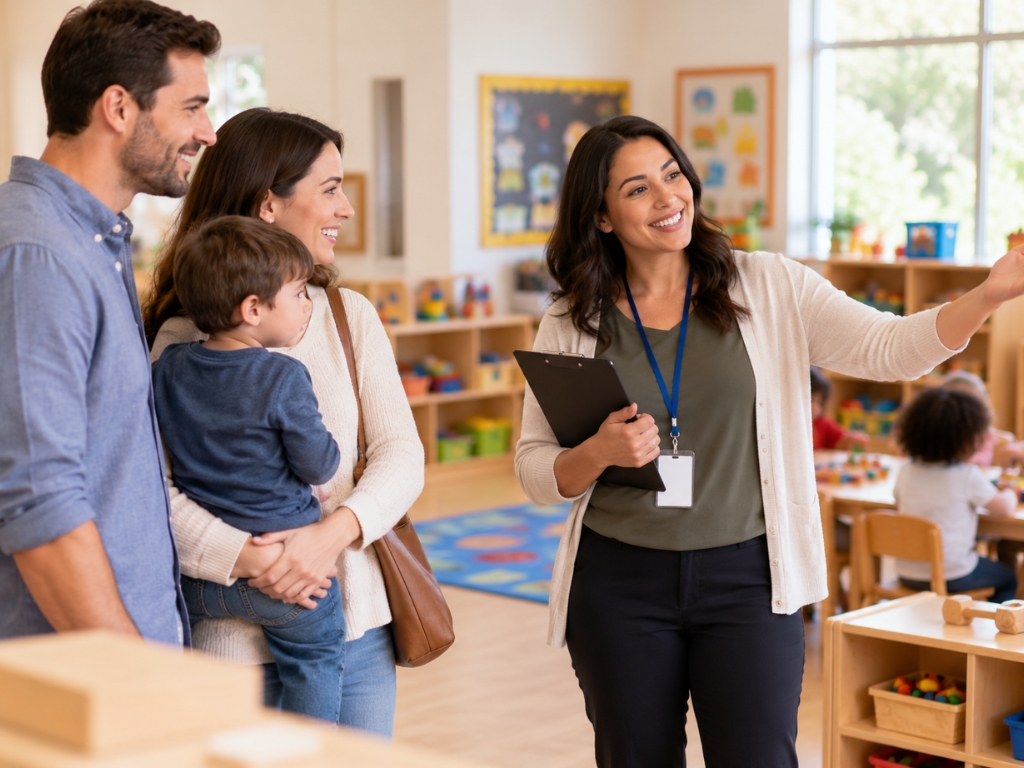
When you visit a pre-kindergarten classroom, don’t just look at the books or toys. Notice the overall feel of the space.
- Is there room for both active play and quiet learning?
- Do you see tools that support social and emotional growth?
- How does the school keep parents involved?
These are the things that show how ready a classroom is to help your child succeed.
Final Takeaway
In 2025, pre-kindergarten classrooms are built to be flexible, welcoming, and focused on the whole child. Teachers swear by setups that combine learning, play, and emotional development. As a parent, knowing what to look for can help you feel confident in choosing the right program for your child.