
If you’ve spent any time around young children, you’ve seen how quickly a small disagreement can turn into a big moment. A toy gets taken. Someone feels left out. Emotions rise fast.
For parents, it can be unsettling to wonder whether this behavior is normal or a sign that something is wrong. The truth is that conflict is a natural part of early childhood.
At a quality Tucson preschool, these moments aren’t brushed aside or handled with punishment. They’re treated as opportunities to teach children skills they will use for the rest of their lives.
Building Emotional Awareness
Many parents hear that preschools “teach emotions,” but effective emotional learning goes deeper than naming feelings. Teachers help children connect three things:
- What they feel
- What their body is doing
- What triggered the feeling
For example, a teacher might say “Your fists are tight and your voice is loud. That usually means anger” or “You wanted the toy, and when you couldn’t have it, your body felt upset.”
This matters because children who can recognize early physical signs of frustration are more likely to pause before reacting.
Over time, children learn to notice signals like fast breathing, tight muscles, and raised voices. That awareness becomes the foundation for self-control later on.
Language That Replaces Physical Reactions
Preschoolers don’t hit because they want to hurt someone. They hit because they don’t have the language to handle the moment. That’s why teachers explicitly teach conflict phrases the same way they teach letters or numbers.
Instead of simply telling children to “use their words,” teachers actively practice what that looks like in real situations. Children are taught short, repeatable sentences they can remember and use when emotions are high. Simple phrases are easier to access in the moment and reduce frustration when a child is trying to express a need quickly.
Teachers also model and reinforce a neutral tone. Children learn that how they say something matters just as much as what they say. Speaking calmly helps others listen and keeps conflicts from escalating further.
Clear requests are another key focus. Rather than vague or emotional statements, children are guided to say exactly what they need or want. This clarity helps peers understand each other and makes it easier to resolve problems without physical reactions.
Guided Problem-Solving
One of the most effective ways children learn conflict resolution is by being part of the solution. Instead of stepping in with an immediate fix, teachers guide children through a simple problem-solving process:
- Identify the problem.
Teachers help children clearly name what’s wrong so everyone understands the issue. This keeps the focus on the situation, not on blaming each other. - Hear both perspectives.
Each child is given a chance to explain what happened in their own words. This helps children feel heard and teaches them that different viewpoints matter. - Brainstorm solutions.
Children are encouraged to suggest ideas for fixing the problem together. This builds cooperation and shows them that problems often have more than one solution. - Try one and see what happens.
The group chooses a solution and puts it into action. If it doesn’t work, children learn that it’s okay to adjust and try a different approach.
Boundaries That Teach, Not Intimidate
Non-aggressive conflict resolution still requires firm boundaries. Children need to know which behaviors are not safe or acceptable, especially when someone could get hurt. The difference lies in how those boundaries are enforced.
When safety is involved, teachers intervene right away using clear, predictable language. Phrases like “I won’t let you hit” or “That hurts people” stop the behavior without escalating the situation. This direct approach protects everyone while keeping the focus on safety.
Just as important is what teachers avoid. They do not rely on yelling, threats, or shaming language. These reactions may stop behavior in the moment, but they don’t teach children what to do differently next time or help them build self-control.
After stopping unsafe behavior, teachers redirect children toward acceptable alternatives. This might include practicing the right words, taking space to calm down, or trying the interaction again with support.
Empathy Through Cause and Effect
Empathy isn’t taught through forced apologies. It’s taught by helping children understand how their actions affect others.
After a conflict, teachers guide reflection with questions like:
What happened when you pushed them?
How did that make them feel?
What could help them feel better now?
This approach helps children connect actions to outcomes. Over time, they begin to anticipate the impact of their behavior before acting.
Children begin to check on peers who are upset, offer comfort without being prompted, and resolve conflicts more quickly and with less intensity. These skills don’t develop overnight, but they grow steadily with consistent guidance and support from trusted adults.
Preparing Children for School and Life
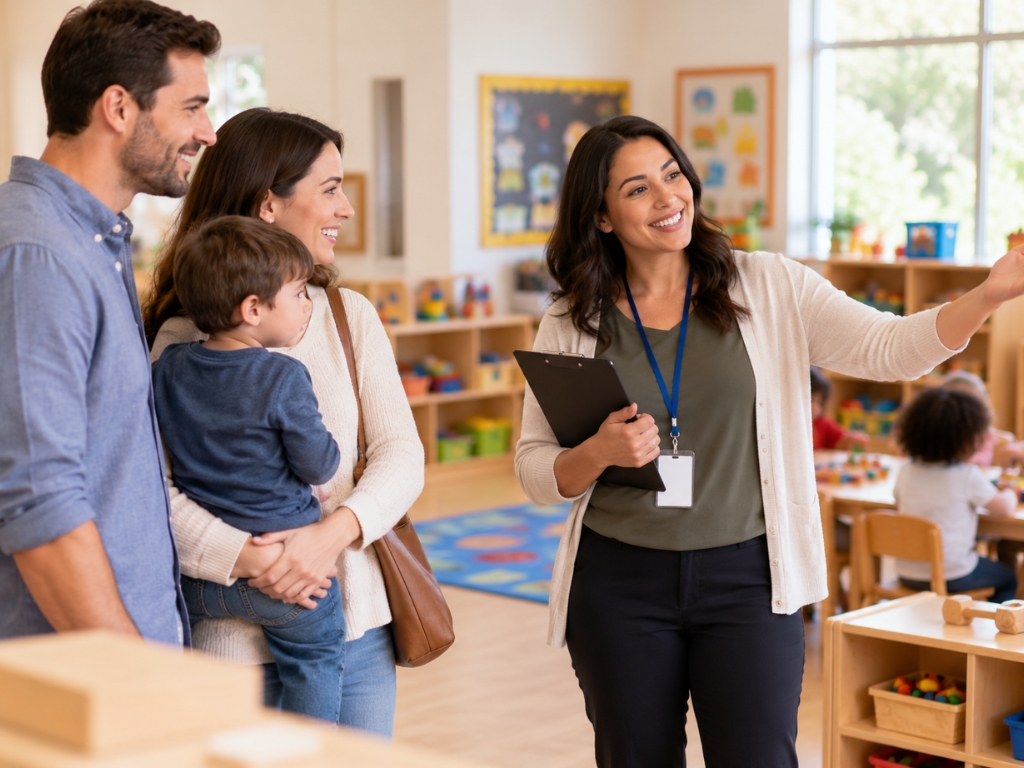
If you’re choosing a preschool, pay close attention to how conflict is handled. Ask how teachers respond when emotions run high, how children are guided through disagreements, and how safety and empathy are taught every day. These moments shape how your child learns to communicate, manage frustration, and build relationships.
A Tucson preschool, like Outer Limits School, that prioritizes calm, respectful conflict resolution, is investing in skills your child will use for life. Schedule a tour, observe the classroom environment, and see how teachers support children during real interactions.