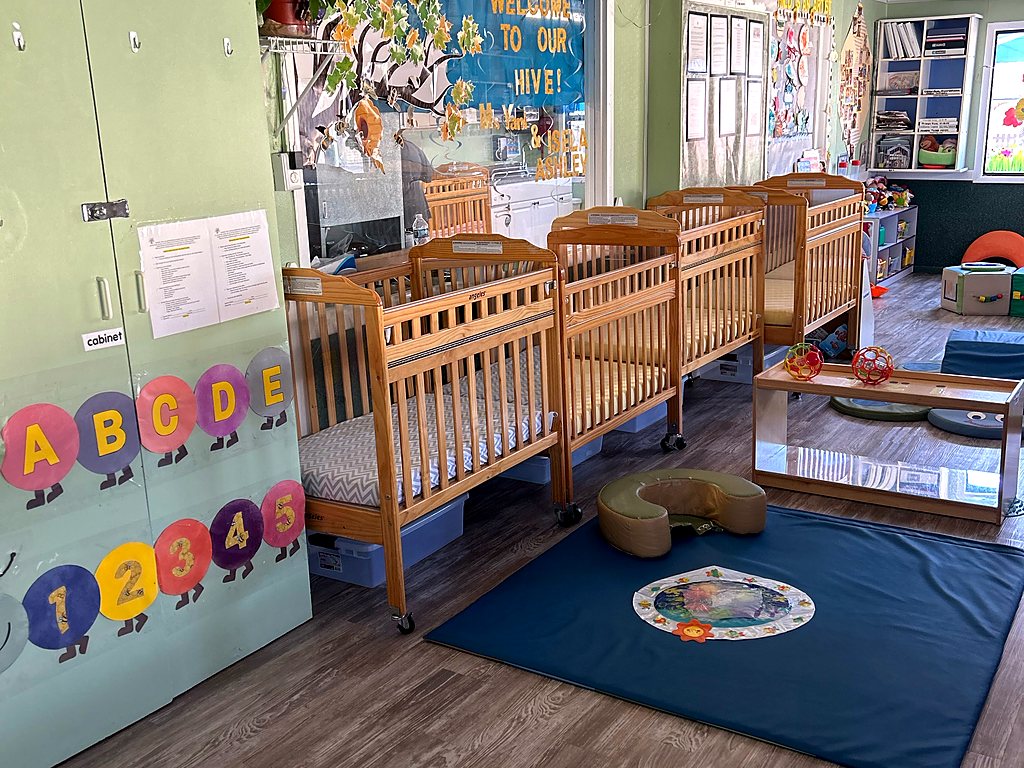

Preschoolers work hard all day. They follow rules, sit still during lessons, and manage big feelings with limited skills. When they come home, they feel safe to let their emotions out. This is why many parents see tantrums after school.
An easy after school routine for preschoolers helps your child feel calm and secure. Here’s how to build one that works for your family.
Why Routines Matter After Preschool
Young children feel anxious when they don’t know what will happen next. Without structure, they may refuse to transition between activities, cry or scream over small problems, and seek your attention with negative behavior. A routine gives clear expectations. Your child feels confident knowing what comes next.
Steps to Create an After School Routine for Preschoolers
Building an after school routine doesn’t have to be complicated. Each step below focuses on your child’s needs after a long day at preschool. These ideas will help reduce tantrums, lower stress, and create calmer afternoons at home.
1. Arrival and Connection
Your child’s arrival home sets the tone for the afternoon. They need reassurance that you missed them and are happy to see them after a busy day away from you.
This connection time calms them and prevents clinginess or whining later.
How To Do It:
- Stop what you’re doing when they arrive.
- Give a hug or a high five.
- Make eye contact and smile.
- Ask one positive, easy question:
- “Did you sing songs today?”
- “What did you eat for lunch?”
2. Snack Time
After school, your child’s body needs fuel. Hunger often shows up as crankiness, tantrums, or refusal to cooperate.
A balanced snack keeps their energy stable and mood calm.
How To Do It:
- Offer healthy, quick options:
- Banana with peanut butter
- Yogurt with berries
- Whole grain crackers and cheese
- Avoid processed sweets to prevent sugar crashes.
3. Quiet Time or Rest
Preschool is busy and loud. Quiet time after school helps your child rest their body and mind. Even if they don’t nap, this period allows them to reset before the evening.
It reduces overstimulation and prevents meltdowns.
How To Do It:
- Set up a cozy corner with:
- Books
- Stuffed animals
- Soft blanket
- Allow quiet screen time if needed, like an educational show for 20 minutes.
4. Outdoor Play or Movement
Children need to release energy built up during school hours. Outdoor play or movement after quiet time helps them feel refreshed and balanced.
It improves mood and prevents evening restlessness.
How To Do It:
- Walk the dog together.
- Let them run races in the yard.
- Create an obstacle course with cones or pillows.
5. Independent Play
Independent play teaches your child to entertain themselves. It builds confidence, creativity, and self-regulation skills while you prepare dinner or handle chores.
Starting small makes this easier for kids who prefer constant attention.
How To Do It:
- Choose open-ended toys like:
- Building blocks
- Pretend kitchen sets
- Art supplies
- Set a timer for 10-15 minutes to start, then increase gradually.
6. Helping with Simple Chores
Involving your child in small chores gives them a sense of responsibility. They feel proud when they contribute to the family, and it teaches life skills early.
This also keeps them engaged during transitions.
How To Do It:
- Ask them to:
- Sort clean socks into pairs.
- Water indoor plants.
- Put away their shoes or backpacks.
- Wipe the table with a damp cloth.
7. Family Time Before Dinner
A short period of family time before dinner helps your child reconnect with you. This prevents attention-seeking behavior while you cook and prepares them for evening routines.
It reminds them you’re available even when busy.
How To Do It:
- Read one short book together.
- Do a simple puzzle.
- Let them help prepare dinner by washing vegetables or stirring batter.
Ready to Create a Calmer Afternoon?
Start with one step from this routine today. Notice how it helps your preschooler feel more secure and reduces meltdowns after school.
Looking for more practical parenting tips? Visit Small Miracles Education to support your child’s growth every day.