Every parent wants to raise a child who is confident, capable, and independent. However, knowing when to help and when to step back isn’t always easy.
According to Cave Creek Montessori experts, independence develops through everyday opportunities to make choices, solve problems, and take responsibility. Rather than doing things for children, Montessori encourages adults to help children learn how to do things for themselves.
Research supports this approach. A study published in the National Library of Medicine found that Montessori students demonstrated stronger academic and social skills than many of their peers in traditional educational settings. These findings highlight the long-term value of fostering independence from an early age.
Here are seven parenting habits that can help your child build confidence, responsibility, and independence.
1. Let Your Child Handle Age-Appropriate Tasks
One of the most effective ways to build independence is to give children opportunities to do things for themselves.
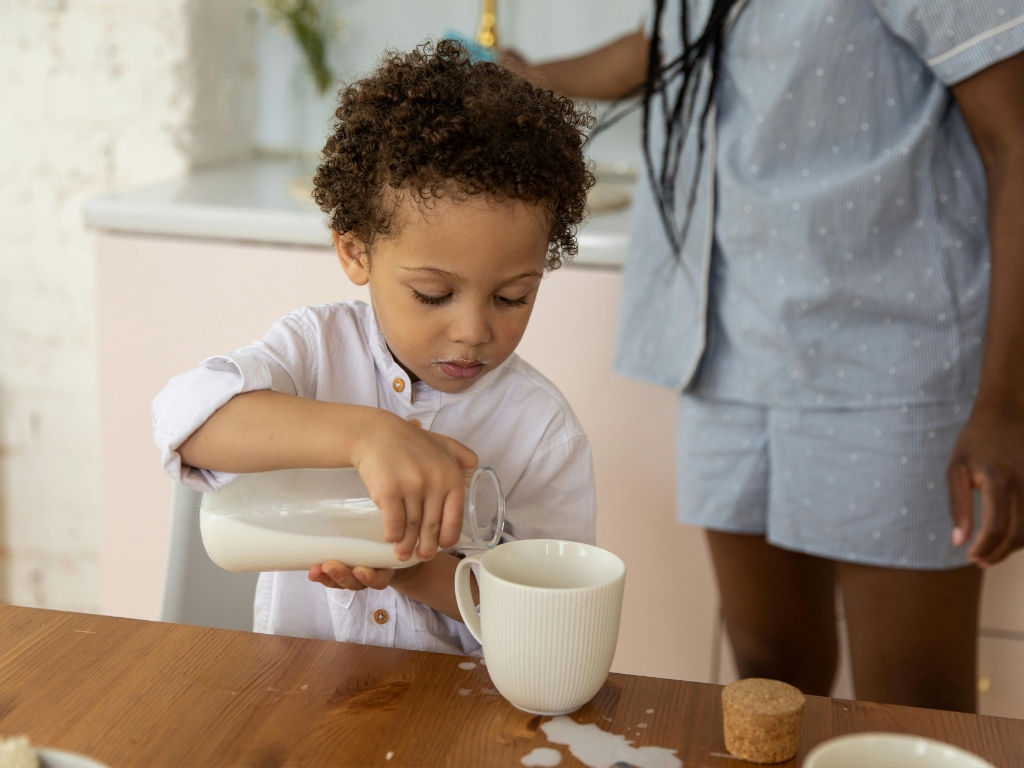
While it may take longer than doing the task yourself, the experience helps children develop confidence and competence. Simple responsibilities such as putting away toys, carrying a backpack, cleaning up a spill, or helping prepare a snack teach valuable life skills.
The goal is not perfection. Instead, focus on progress. Each time your child completes a task independently, they learn that they are capable of solving problems and contributing in meaningful ways.
When children hear, “I know you can do this,” they begin to believe it themselves.
2. Create a Child-Friendly Home Environment
Children are more likely to act independently when their surroundings support their success.
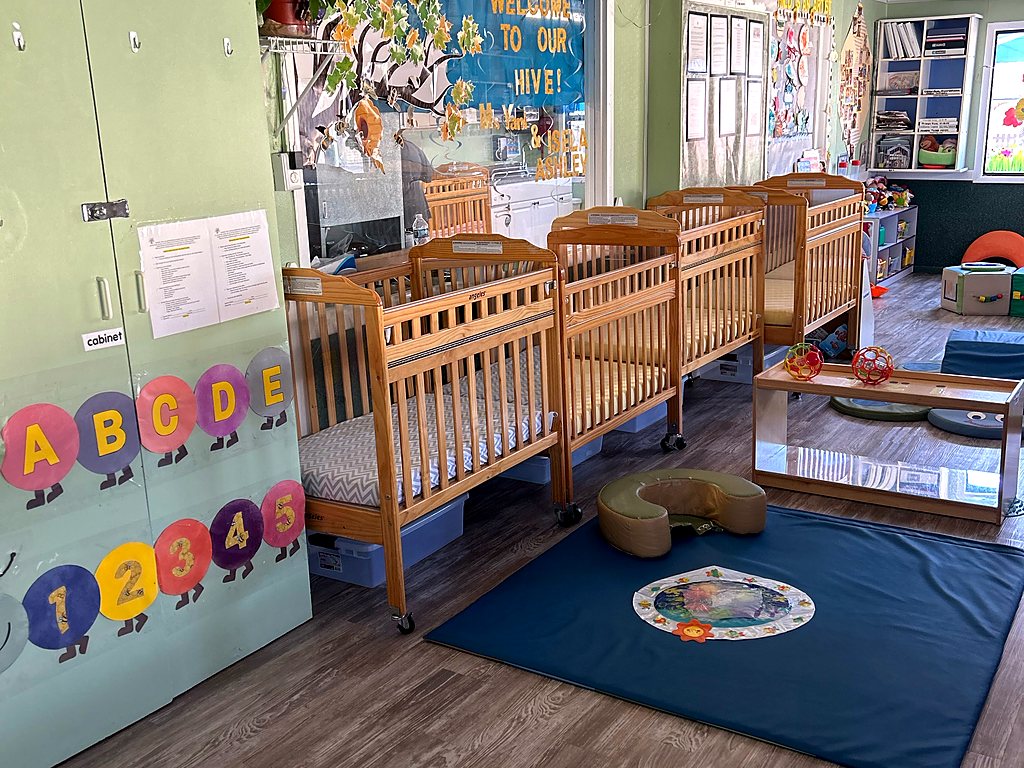
Montessori classrooms are intentionally designed so children can access materials, make choices, and complete tasks without relying on adults for every step. Parents can apply the same principles at home.
Store books, toys, and daily-use items within your child’s reach. Use low hooks for jackets, accessible shelves for belongings, and organized spaces that make cleanup simple.
These small changes encourage children to take ownership of their environment. Instead of constantly asking for assistance, they can begin managing tasks on their own.
3. Offer Limited Choices
Independence and decision-making go hand in hand.
Children need opportunities to make choices, but too many options can feel overwhelming. Offering two or three choices gives children a sense of control while keeping decisions manageable.
For example, you might ask:
- Would you like the blue shirt or the green shirt?
- Do you want apples or crackers for snack?
- Which book would you like to read before bed?
These everyday decisions help children develop confidence in their judgment while learning that choices come with responsibility.
Over time, this habit encourages self-reliance and strengthens critical thinking skills.
4. Encourage Problem-Solving Before Providing Answers
Many parents instinctively jump in when a child encounters a challenge. While the intention is good, solving every problem can limit opportunities for growth.
Instead, encourage your child to think through obstacles independently.
Ask questions such as:
- What have you tried so far?
- What do you think might work?
- Is there another way to solve the problem?
These conversations teach children to analyze situations, consider solutions, and learn from trial and error.
For example, if a block tower keeps collapsing, resist the urge to rebuild it. Give your child time to observe, experiment, and discover what works. Those moments often teach far more than a quick solution ever could.
5. Build Consistent Routines
Children thrive when they know what to expect.
Consistent routines provide structure, reduce uncertainty, and help children manage responsibilities independently. When daily expectations are clear, children rely less on reminders and become more confident in handling tasks on their own.
Morning routines, cleanup routines, homework time, and bedtime routines all provide opportunities for children to practice responsibility.
For younger children, visual charts can be especially helpful. A simple sequence of pictures showing tasks such as getting dressed, brushing teeth, and packing a backpack can encourage independence while reducing frustration.
The more familiar a routine becomes, the more capable children feel navigating it themselves.
6. Allow Natural Consequences
Children learn some of life’s most valuable lessons through experience.
Natural consequences help children understand the connection between actions and outcomes without relying on punishment. Rather than rescuing children from every mistake, parents can allow safe and age-appropriate consequences to become learning opportunities.
If a child leaves a toy outside, it may not be available when they want it later. If they forget a school item, they may experience the inconvenience of not having it when needed.
These experiences encourage responsibility and accountability in a way that lectures often cannot.
Afterward, a simple conversation about what happened and what could be done differently next time can reinforce the lesson.
7. Model Independence Yourself
Children learn as much from what they see as from what they are told.
Parents who demonstrate responsibility, perseverance, and problem-solving provide powerful examples for their children to follow.
Let your child see you complete tasks, organize your responsibilities, and work through challenges. Talk through your thought process when solving everyday problems. Show them that mistakes are part of learning and that persistence often leads to success.
You do not need to be perfect. In fact, allowing your child to see how you handle setbacks calmly can teach resilience and confidence more effectively than any lesson.
What Is the Best Age to Start a Child in Montessori?
Many parents considering Montessori education wonder when their child should begin.
While every child develops at a different pace, many Montessori programs welcome children between the ages of 2½ and 4. During these years, children are naturally eager to explore, learn, and do things independently.
Signs of readiness often include an interest in helping with daily tasks, following simple routines, making choices, and interacting with peers.
However, Montessori principles are not limited to the classroom. Parents can begin fostering independence long before preschool by encouraging simple responsibilities at home.
Whether your child is a toddler or preschooler, creating opportunities for independent learning can support healthy development and build confidence.
Supporting Independence Starts at Home
Raising an independent child is not about expecting perfection or pushing children beyond their abilities. Instead, it involves creating opportunities for growth through everyday experiences.
By encouraging age-appropriate responsibilities, offering choices, supporting problem-solving, establishing routines, and modeling independence, parents can help children develop skills that serve them well throughout life.
These habits reflect the same principles embraced by experts at Quality Interactive Montessori Preschool: trust children, provide guidance when needed, and allow them the freedom to learn through experience.
Which of these habits could you begin practicing this week? Even one small change can help your child take an important step toward greater independence and confidence.