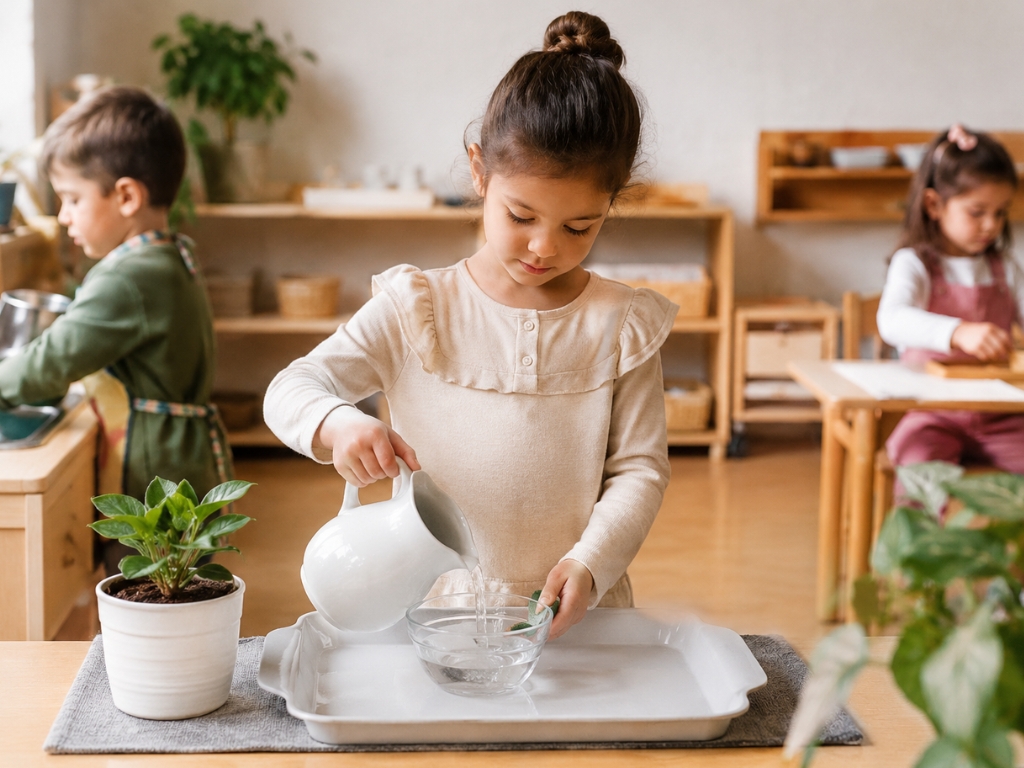

Montessori learning has become one of the most popular approaches in early childhood education because of its focus on independence, creativity, and hands-on learning. According to the National Center for Montessori in the Public Sector, there are now more than 500 public Montessori schools in the United States, showing the growing interest in this method.
But many parents unintentionally misunderstand the core principles behind Montessori learning. Small mistakes can leave children frustrated or overly dependent without parents realizing it. Montessori learning is not about perfection. It is about helping children build confidence, responsibility, and problem-solving skills at their own pace.
What Is Montessori Learning Really About?
Montessori learning is a child-centered educational approach developed by Dr. Maria Montessori. Instead of relying heavily on lectures, worksheets, or rewards, Montessori encourages children to learn through exploration and hands-on experiences.
Children are given opportunities to:
- Make choices independently
- Learn practical life skills
- Explore materials at their own pace
- Build concentration naturally
Many misconceptions happen because Montessori learning is often reduced to aesthetics instead of philosophy. Expensive toys, neutral-colored rooms, and perfectly organized shelves do not automatically create a Montessori environment.
The true focus is helping children become capable and confident in everyday life.
What Are the 4 Pillars of Montessori Education?
Understanding the four pillars of Montessori education can help parents create a healthier and more effective Montessori learning environment at home. These principles focus on supporting independence, confidence, and natural child development.
- Respect for the Child
Montessori learning encourages adults to treat children as capable individuals who can make choices and solve problems independently. It also means giving children time to complete tasks without unnecessary interruptions or corrections. - Prepared Environment
A prepared environment is organized, calm, and easy for children to navigate on their own. Simple changes, like accessible shelves or child-sized tools, can encourage responsibility and independence. - Hands-On Learning
Children learn best through direct experiences that engage their senses and attention. Activities like pouring, sorting, and folding help children develop concentration and practical skills naturally. - Independence and Freedom Within Limits
Montessori learning gives children the freedom to explore while still following clear boundaries and routines. This balance helps children feel confident, secure, and responsible in their daily activities.
Top 7 Montessori Learning Mistakes
Many parents begin Montessori learning with good intentions, but small misunderstandings can make it less effective. Montessori is not about perfection or strict rules. It is about helping children build independence, confidence, and responsibility through everyday experiences.
Mistake #1: Doing Everything for Your Child
Many parents step in too quickly because they want to help or avoid messes and frustration. While this may save time, constantly doing tasks for children can weaken their confidence and independence.
In Montessori learning, small struggles help children develop patience, coordination, and problem-solving skills. A better approach is to allow children to complete simple age-appropriate tasks on their own, even if it takes longer.
Mistake #2: Confusing Montessori Learning With “No Rules”
One of the biggest misconceptions about Montessori learning is that children should have unlimited freedom. In reality, Montessori environments still rely on routines, structure, and respectful behavior to help children feel secure.
Freedom without boundaries can become overwhelming and confusing for young children. Instead, give children choices within clear limits while encouraging responsibility and respect for their environment.
Mistake #3: Buying Too Many Montessori Materials
Social media often makes Montessori learning look expensive, leading parents to buy too many toys, shelves, and learning materials. However, overcrowded spaces can overstimulate children and reduce focus because they have too many choices at once.
Montessori environments are designed to be simple and calming. Instead of filling shelves with materials, focus on rotating a few meaningful activities and using everyday household items for hands-on learning.
Mistake #4: Interrupting Concentration Too Often
Children naturally build concentration when they are fully engaged in an activity, but adults often interrupt this process without realizing it. Constant praise, immediate help, or switching activities too quickly can break a child’s focus and reduce independent problem-solving.
Montessori learning values uninterrupted concentration because it strengthens confidence and attention skills. A better alternative is to observe quietly and allow children time to work through tasks independently before stepping in.
Mistake #5: Expecting Immediate Results From Montessori Learning
Many parents expect quick improvements after introducing Montessori learning at home, but child development takes time. Independence, responsibility, and confidence grow slowly through consistent daily experiences rather than overnight changes.
Focusing only on immediate results can lead to frustration for both parents and children. Instead, pay attention to small signs of progress, like completing tasks independently or showing longer attention spans.
Mistake #6: Creating an Overly Strict Montessori Environment
Some parents become so focused on following Montessori principles correctly that the environment starts to feel rigid and stressful. Montessori learning should support children’s growth, not create pressure for perfection or unrealistic routines.
Every family has different schedules, spaces, and challenges, so flexibility is important. Rather than trying to create a flawless Montessori home, focus on small consistent habits that encourage independence and calm routines.
Mistake #7: Ignoring Practical Life Skills
Many parents focus heavily on academic activities while overlooking practical life skills, which are a core part of Montessori learning. Everyday tasks like folding laundry, preparing snacks, or cleaning spills help children build coordination, responsibility, and confidence.
When children participate in real household activities, they often feel more capable and included. Instead of doing everything yourself, encourage your child to safely help with simple daily responsibilities.
How Parents Can Improve Montessori Learning at Home
Montessori learning does not require perfection or expensive materials. Small intentional changes can create meaningful growth over time.
Focus on:
- Encouraging independence
- Observing before helping
- Simplifying the environment
- Creating consistent routines
- Including children in daily tasks
The goal is not to control every learning experience. It is to guide children while allowing them space to grow independently.
Conclusion
Montessori learning can help children build confidence, focus, and independence, but small misunderstandings can reduce its effectiveness. The good news is that you do not need a perfect Montessori home to support your child’s growth. Simple daily habits, patience, and opportunities for independence can make a lasting difference.
If you want to help your child thrive in a supportive Montessori-based environment, contact Quality Interactive Preschool & Montessori today to learn more about our programs.