When parents begin looking for a preschool in Cave Creek, concerns about behavior often feel heavier than any other factor. A child who hesitates to speak in groups or one who cannot seem to slow down can make preschool feel risky. Parents may worry their child will struggle, fall behind, or be misunderstood.
These behaviors are not indicators of failure or unreadiness. They are expressions of how a young brain interacts with the world. Early childhood behavior is shaped far more by neurological development than by discipline, motivation, or personality flaws.
Understanding the reason behind the behavior is what allows parents to make confident decisions.
Why Behavior Looks Bigger in Preschool Settings
Preschool environments amplify behavior because they introduce multiple new variables at once. Children are navigating unfamiliar adults, peer dynamics, routines, expectations, sounds, and visual stimulation simultaneously. For a developing brain, this is a significant cognitive load.
When a child appears especially shy or highly active in preschool, it is often because their nervous system is processing more information than it can comfortably manage at one time. The response may be withdrawal or increased movement, depending on how that child regulates stress.
The Psychology Behind Shyness in Young Children
Shyness is commonly mistaken for anxiety or social weakness. In child development research, it is more accurately described as a regulatory response. Many shy children have nervous systems that are highly sensitive to stimulation. They notice subtle changes in their environment that other children may ignore.
These children tend to pause before acting. They observe group dynamics. They listen carefully. Their brains are gathering data before deciding it is safe to engage.
This is not avoidance. It is protection.
In unfamiliar environments like a preschool classroom, this internal processing can look like hesitation, silence, or reluctance to join group activities. However, once predictability and safety are established, these same children often become deeply engaged participants.
Shyness Is Often Linked to Advanced Internal Processing
Research in child psychology consistently shows that reserved children frequently demonstrate strengths that are not immediately visible. They may show early empathy, strong memory skills, and the ability to focus deeply on tasks once comfortable.
Because they are not externally expressive right away, adults sometimes underestimate their engagement. In reality, these children are often working harder cognitively than their more outgoing peers.
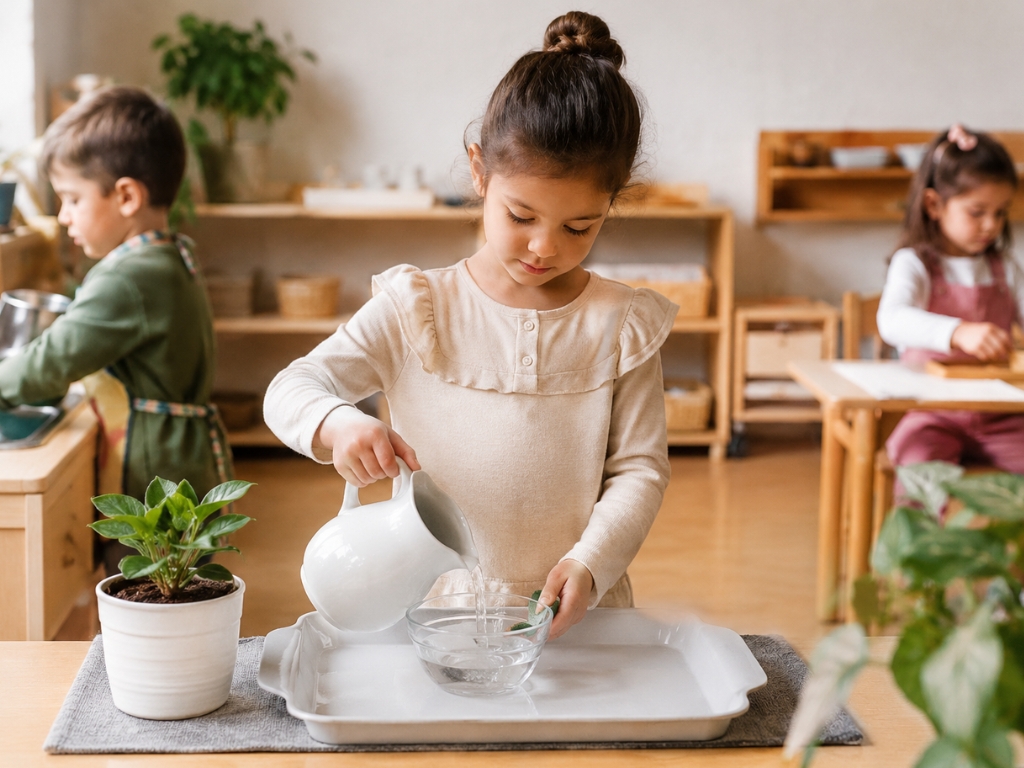
In a developmentally informed preschool in Cave Creek, teachers understand that social confidence grows from emotional safety, not forced participation. When children are allowed to engage on their own timeline, authentic confidence develops.
Why Some Children Appear Excessively Active
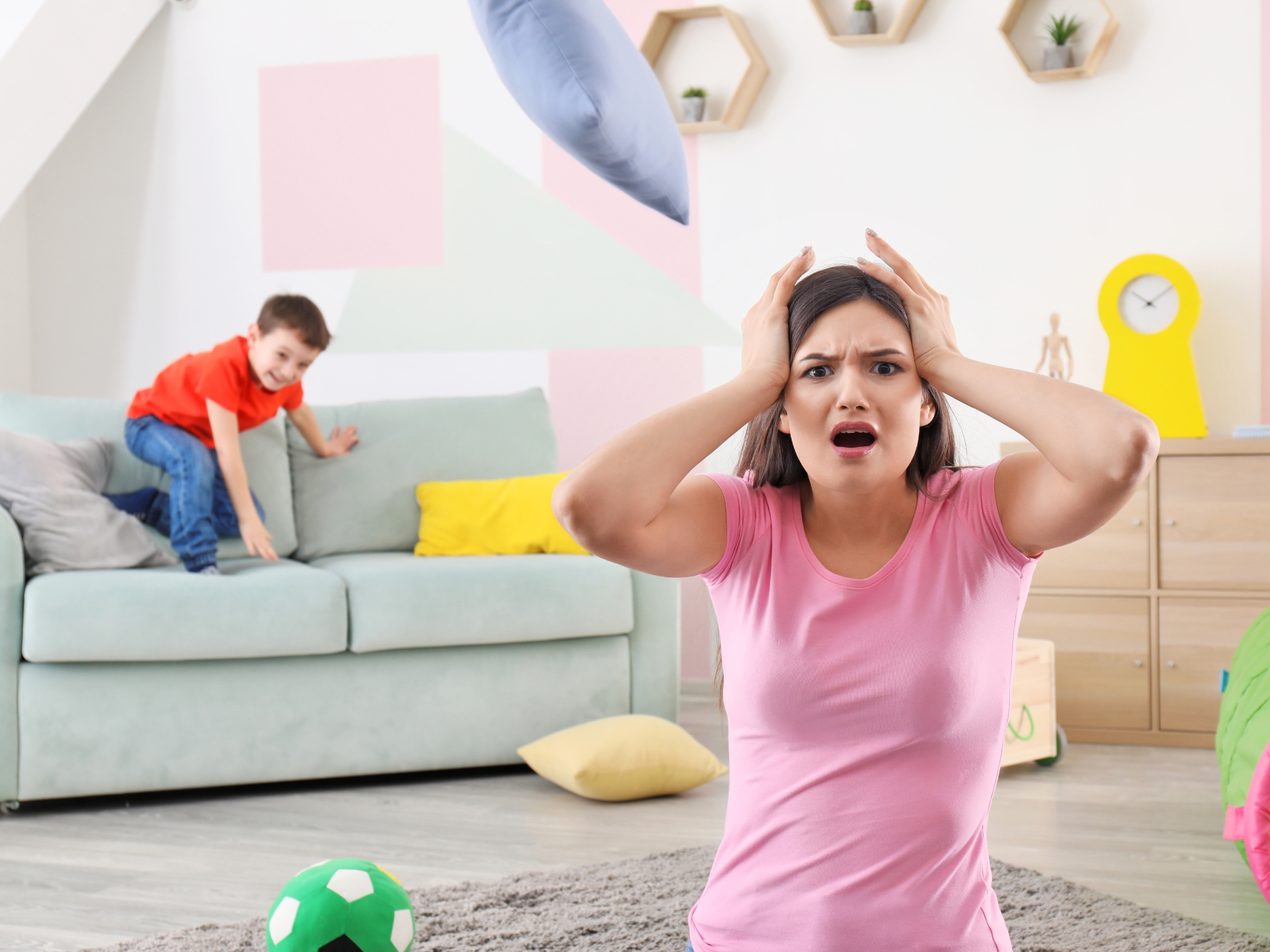
High activity levels in early childhood are often misunderstood as impulsivity or lack of control. From a neurological perspective, movement is one of the primary ways young children regulate their internal state.
The areas of the brain responsible for impulse control, sustained attention, and emotional regulation are still developing during the preschool years. For some children, movement helps organize these systems.
When a child moves, climbs, touches, or fidgets, they are often attempting to create balance within their nervous system. This is especially true for children with strong sensory-seeking tendencies.
Movement Supports Focus, Not the Opposite
Children who appear “too active” often struggle the most in environments that restrict movement. When physical input is limited, their nervous systems become dysregulated, leading to more disruptive behavior.
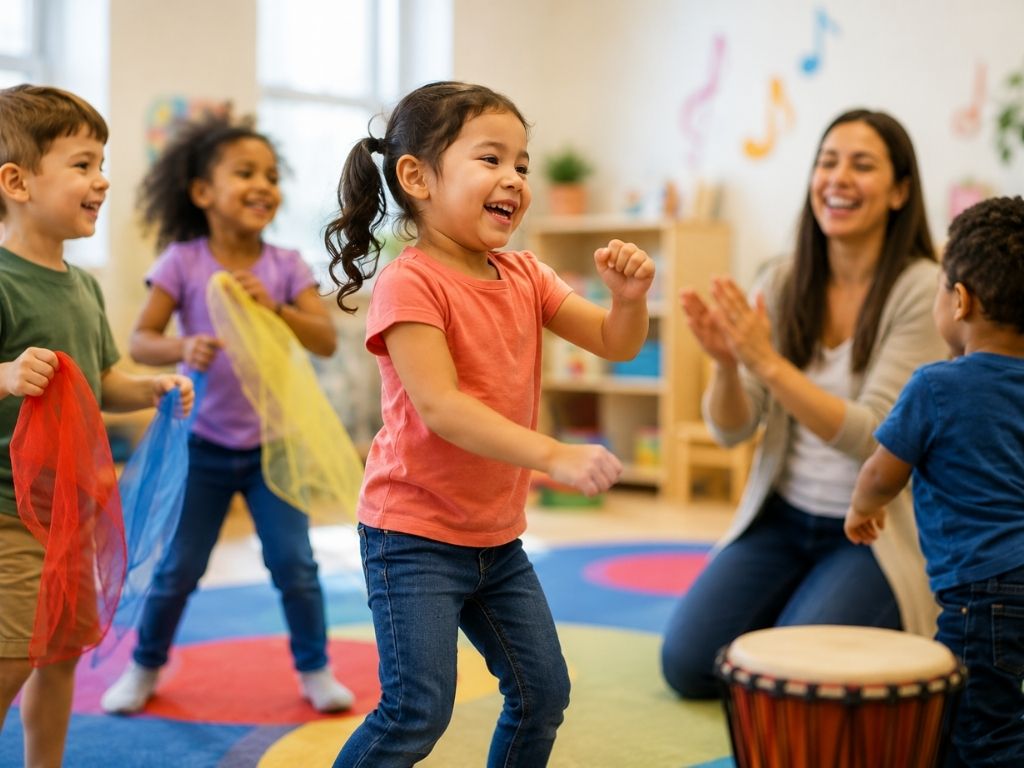
When movement is integrated into learning, the opposite occurs. Focus improves. Emotional regulation increases. Engagement becomes more sustained.
These children are not unable to concentrate. They simply concentrate differently.
A preschool in Cave Creek that allows children to move, choose activities, and work with their hands supports healthy brain development rather than working against it.
Activity Level Reflects Learning Style
Highly active children often learn best through physical interaction with their environment. They understand concepts by doing, not by listening. Their bodies are an essential part of how they process information.
This learning style is not something children outgrow. They learn to manage it, channel it, and use it productively over time. Preschool is one of the first places where this regulation is practiced in a structured way.
Why Adults Misread These Behaviors
Adults often judge children using adult standards. Sitting still, waiting patiently, and responding verbally are valued behaviors in adult spaces. In early childhood development, these skills emerge gradually and unevenly.
A child may be emotionally sensitive but cognitively advanced. Another may be physically driven but capable of intense concentration when engaged. Behavior alone does not accurately reflect readiness or capability.
It is important for adults to remember that development is not linear. It is layered. Children often progress in one area while needing more support in another, and this imbalance is a normal part of healthy brain development.
Separation Anxiety and Attachment
Shyness is frequently confused with separation anxiety, which is also often misunderstood. Separation anxiety is not a sign a child is unready for preschool. It is a sign of secure attachment.
Children who protest separation have formed strong emotional bonds. These bonds provide the foundation for independence later on.
With consistent routines and calm, predictable responses, children internalize safety. Once safety is established, exploration follows naturally.
Environment Shapes Behavior More Than Personality
One of the most important principles in child psychology is that behavior is context-dependent. The same child may appear overwhelmed in one setting and calm in another.
Factors such as noise level, visual stimulation, pacing, and teacher responsiveness significantly influence behavior. A classroom designed with intention reduces stress on developing nervous systems.
A thoughtful preschool in Cave Creek understands that behavior improves when environments are designed to meet children where they are developmentally.
What Parents Should Look for Instead of Labels
Rather than focusing on whether a child is too shy or too active, child psychologists encourage parents to pay attention to how a child adapts over time. These patterns reveal far more about development than isolated behaviors.
Parents can observe whether their child:
- Recovers after moments of stress with reassurance or routine.
- Becomes curious and engaged once they feel emotionally safe.
- Responds to calm guidance rather than heightened reactions.
- Adjusts to predictable routines with repeated exposure.
- Shows interest in peers, even if interaction starts slowly.
These behaviors indicate a developing ability to regulate emotions and adapt to new environments, which matters far more than outward personality traits.
So is My Child Too Shy or Too Active?
No child is too shy or too active for preschool. There are only children with different nervous systems learning how to navigate a complex social world. Preschool is not about correcting behavior. It is about supporting development.
Quality Interactive Montessori Preschool, a leading preschool in Cave Creek, recognizes that behavior is not a problem to solve. It is information to understand.
When children are met with patience, structure, and respect for how their brains develop, growth follows naturally.